


The CEO’s Dilemma
A leader may have a solid strategy, a clear direction, and a bold transformation ambition, yet still see execution stall. This is one of the most frequent tensions of the role: on one side, defining the trajectory; on the other, ensuring fast execution, with decisions taken at the right level, without bottlenecks or endless back-and-forth.
The deadlock is rarely the strategy itself. The deadlock lies in the lack of real-time visibility on progress. Without a clear, aligned, and effective operating system, the organisation compensates with what it has at hand: meetings, committees, or tracking tools. The intention is sound. The effect, almost always, is the opposite.
A Simple Test
Try this. Ask three people, in three different teams: “What precise outcome is your role expected to deliver this quarter, and who knows where you stand besides you?”
In most organisations, the first answer describes a job title, not outcomes. And the second question exposes a systemic blind spot: what is expected is neither visible nor shared in real time.
This is not a competence issue. It is a structural clarity issue. And the data shows it costs far more than we imagine.
The Dilemma No One Quantifies
Here is your dilemma as CEO: you are judged on strategy and performance, yet without explicit and owned team accountabilities, collective action does not follow the vision. An organisational operating system that lacks clarity and alignment is a failing one. No volume of meetings will compensate for that flaw.
A Reflex That Worsens the Problem
When congestion appears, the reaction is almost automatic: add a management layer. A steering committee. A tracking tool. An alignment meeting. A cascading validation process. These mechanisms may reassure in the short term. But they treat a symptom, not the cause.
In France, the symptom has reached spectacular proportions. Recent studies show that leaders now spend 36 hours and 20 minutes per week in meetings. This volume has increased by 50 percent in one year.
The Million-Dollars Question
How much does the absence of explicit accountabilities cost your company?
In leadership hours spent on avoidable trade-offs? In multiplied alignment meetings? In delayed decisions, and therefore opportunity costs? In managerial energy absorbed by validation loops?
It is one of the heaviest lines in your profit and loss statement. Yet one of the least visible. It does not appear in a budget.
The Turning Point: When Accountability Creates Organisational Clarity
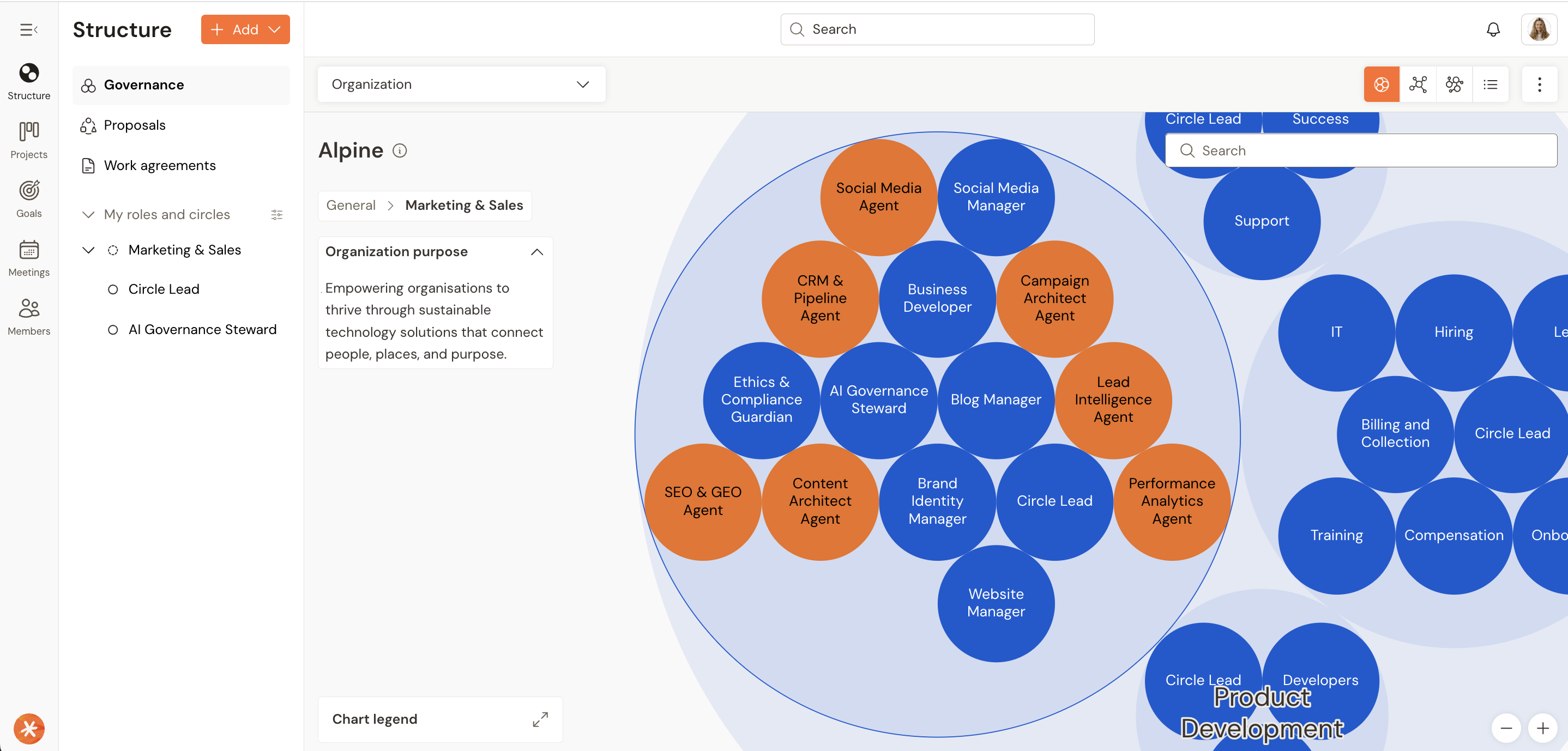
One of the most powerful levers is also the most discreet, because the issue is fundamentally operational: make every role explicit and every responsibility clear and traceable.
Many companies attempt to clarify the organisation by redesigning the org chart or governance model, hoping that responsibilities will follow. In practice, it is almost always the reverse: clear roles and explicit accountability increase organisational clarity.
The European institute Effectory measured this: employees who have role clarity are 53 percent more efficient and 27 percent more effective than those operating in ambiguity. Overall organisational performance increases by 25 percent.
What Do Explicit Accountabilities Look Like?
An important clarification: accountability is not a top-down approach or a surveillance mechanism. It is not a control tool. It is a mechanism for clarity and alignment.
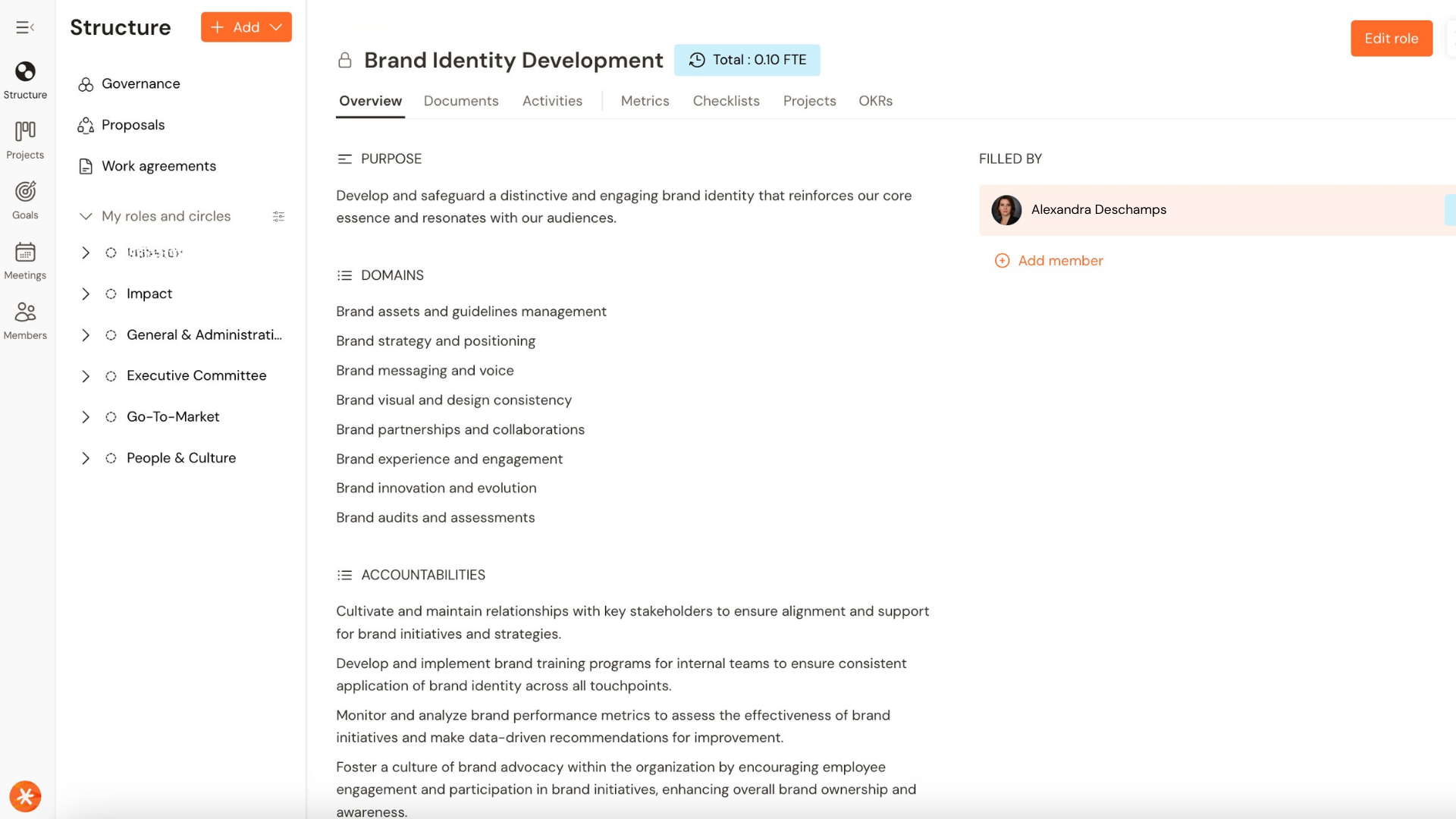
Robust accountability defines, for a given role:
– A scope: what falls within the role, and what does not.
– A decision right: how far this role can decide without escalation.
– A cadence: weekly, monthly, quarterly.
– Expected outcomes: observable, measurable, time-bound.
When these elements exist, two effects appear quickly. Alignment meetings decrease, and decisions improve in quality, because they are taken within a clear perimeter. Companies that do this work observe a 50 percent reduction in alignment meetings from the first quarter.
Three Actions to Increase Your Organisational Clarity
This Week, 15 minutes — Run a simple accountability test. Ask three people in three different teams: “What precise outcome is your role expected to deliver this quarter, and who knows it besides you?” The first part reveals whether the person knows what they are accountable for. The second reveals whether that accountability exists within the system. If the answers remain vague, your performance is dissolving into the implicit.
This Month, 30 minutes — Identify three recurring decisions that escalate to the Executive Committee without being strategic. For each, document three elements: who should decide, within what scope, and how that person is accountable for the outcome. This is a first operational playbook for accountability.
This Quarter, 60 minutes — Launch an organisational accountability audit. The objective is to map who is accountable for what in relation to your strategic objectives. This is the foundation for scaling effectively.
If You Want to Go Further
Our customers see it within weeks: when accountabilities become explicit and visible, alignment meetings decrease by 50 percent, decisions move down to the right level, and the Executive Committee regains the time to focus on what it exists to do: steering strategy, not arbitrating operational matters.
We have designed a Clarity Diagnostic, a structured 20 minute exchange to map where your organisation is losing visibility, identify the three or four accountability levers that would have the greatest impact on your execution, and provide you with a concrete roadmap to act immediately.
It is commitment free, confidential, and designed for leaders who do not have time to waste.
👉 Book your clarity diagnostic



Révélez le potentiel de votre organisation.
Nous sommes là pour répondre à toutes vos questions et vous accompagner dans vos projets.














.jpg)













.jpg)




.jpg)
.jpg)




.jpg)
.jpg)


.jpg)

.jpg)


.jpg)


.jpg)


.jpg)


.jpg)
