
Blind Spots: Your Organisation Is Too Complex. Your Next Reorganisation May Not Fix It.


The 2026 edition of McKinsey & Company's State of Organisations report, based on more than 10,000 executives surveyed worldwide, lands at a moment when artificial intelligence is reshaping operations, value chains are fragmenting, and employee expectations are shifting beneath leaders' feet.
If the priority in 2023 was short-term resilience, the mandate in 2026 is clear: sustained productivity, long-term value creation, and deep transformation of operating models. The verdict is stark: while a majority of leaders describe themselves as optimistic, only one-third say they are genuinely prepared.
Three Tectonic Forces Reshaping Organisations in 2026
1. AI: Massive Adoption, Marginal Impact
88% of organisations are experimenting with artificial intelligence, yet 81% report no meaningful effect on their bottom line. The problem is not technological, it is organisational. AI is deployed use case by use case, in silos, without end-to-end process redesign. Fewer than 20% of companies that have piloted AI see any tangible financial impact. Most leaders acknowledge that their organisation is not ready for large-scale AI adoption in day-to-day operations.
2. Geopolitical Fragmentation: Complexity Becomes Structural
The realignment of economic blocs are forcing companies to navigate the tension between global scale and regional anchoring. Resilience depends on the ability to rapidly reconfigure resource allocation.
3. The Transformation of Work: Change Becomes Permanent
Demographic shifts, evolving employee expectations, hybrid working models: people transformation is no longer a one-off program, it is a continuous capability. Organisations must redefine roles, adapt leadership, and balance performance with engagement. Technical skills remain essential, but their value now depends on how they combine with cognitive and social capabilities.
A Crisis of Operational Clarity
Beneath these three forces lies a deeper problem. Organisations do not have a strategy deficit. They have an operating system deficit. Faced with rising complexity, the dominant response has historically been additive:
— more tools
— more meetings
— more coordination layers
— more control processes
Despite successive restructurings, two-thirds of leaders consider their organisation too complex and too slow.
The Next Frontier of Organizational Performance
The next wave of performance will come from organisational fluidity and the adaptability of roles and processes.
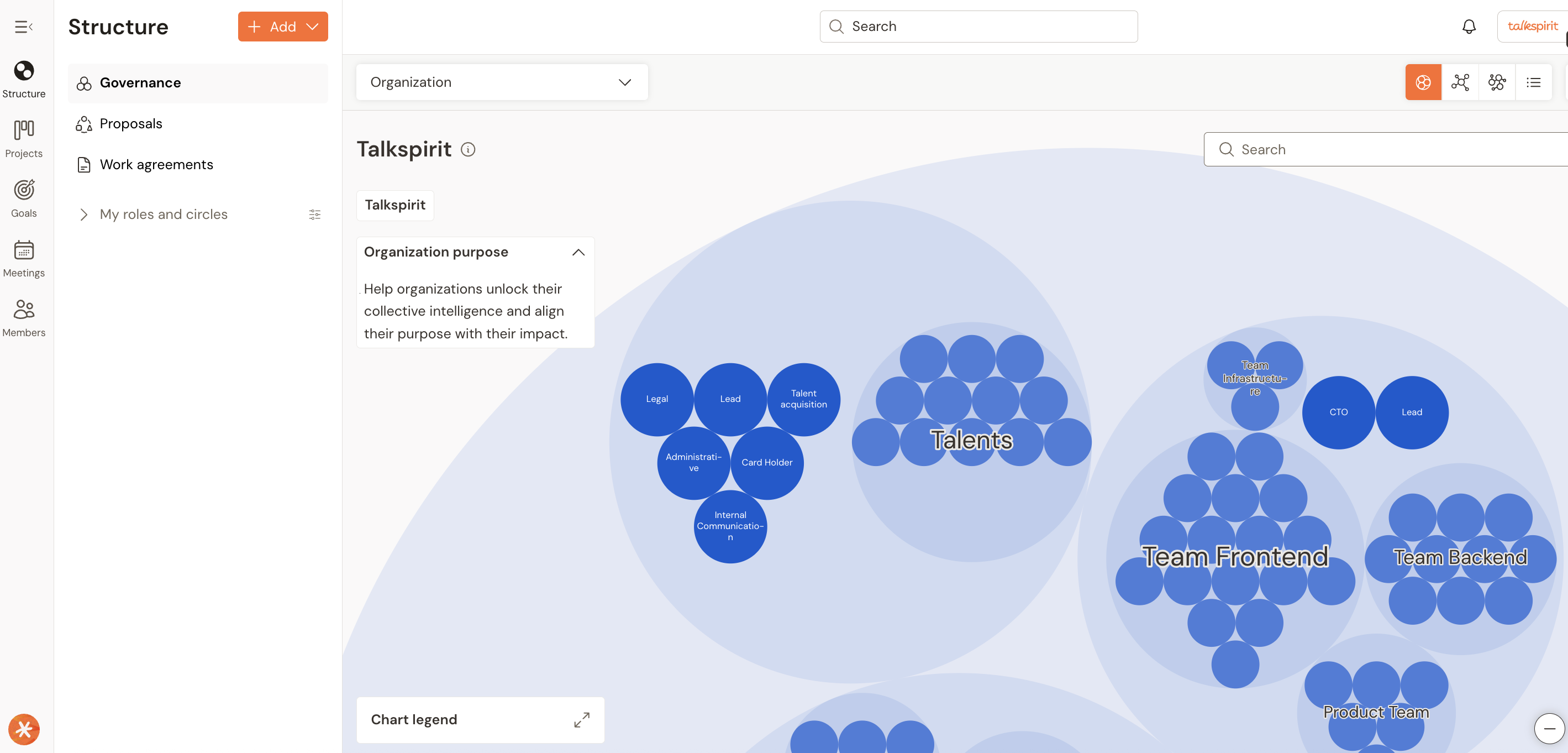
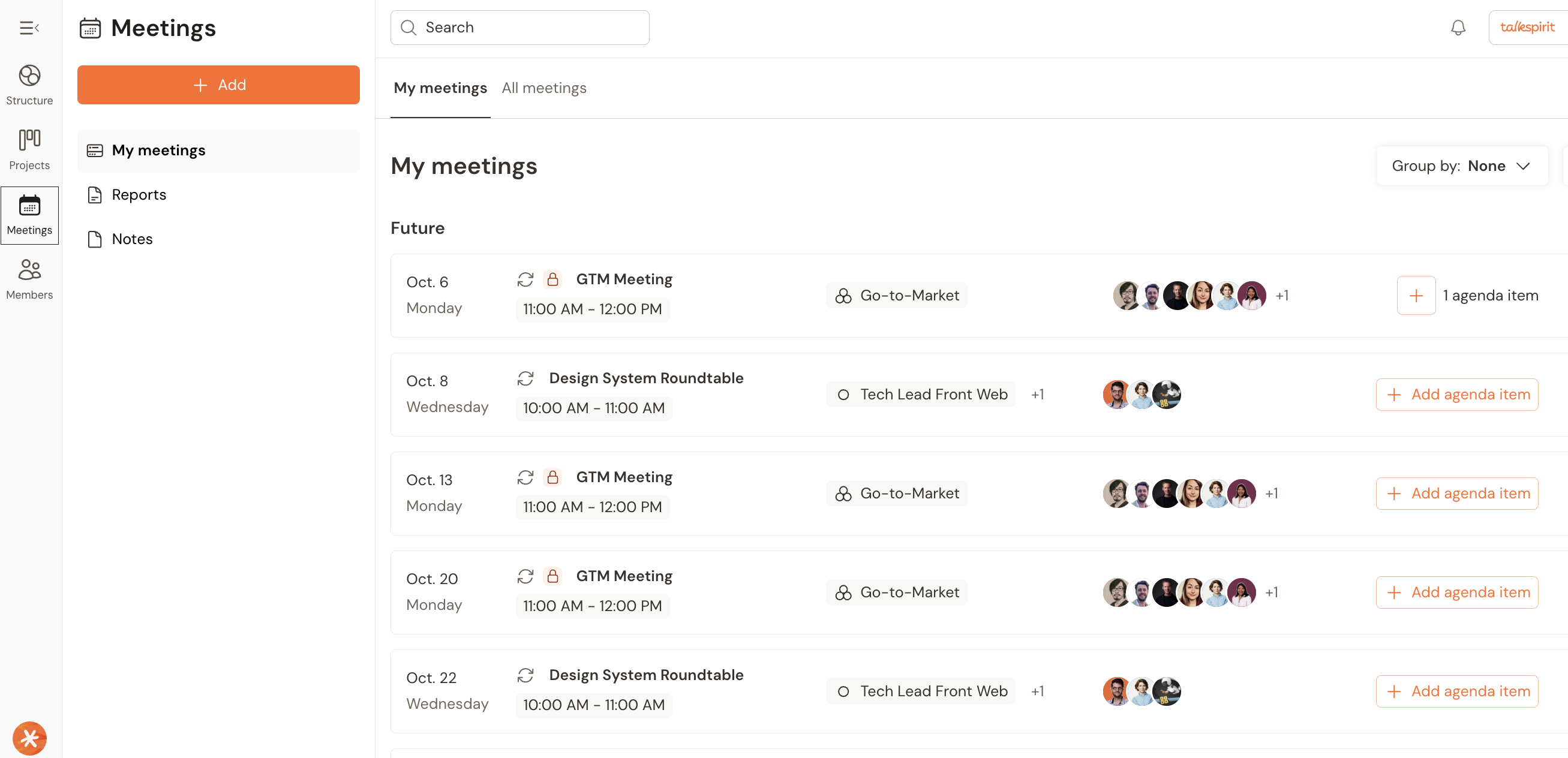
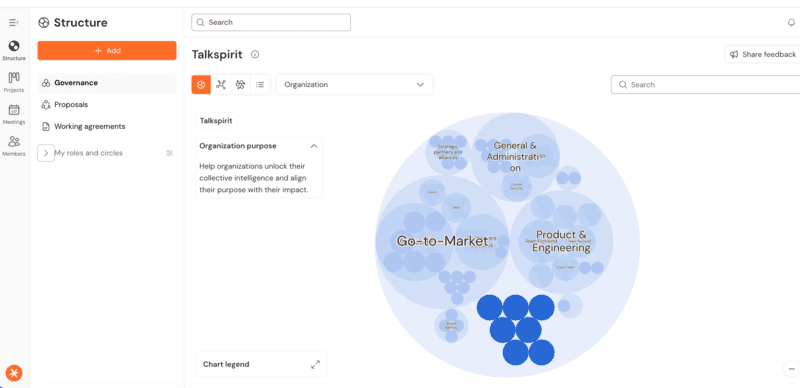
Deploying an organisational operating system targets precisely this objective: making explicit the rules of engagement that turn intent into impact. It aligns three critical dimensions, creating workflows that are visible and evolvable:
Structure — clear, owned responsibilities that adapt to context and organisational needs.
Collaboration — well-defined, aligned, and dynamic interfaces between people and teams.
Communication — information flows that serve performance and shared meaning.
The shifts identified by McKinsey converge on the same imperative: designing the organisation as a simplified, living, high-performing architecture.
- AI only delivers value when roles and processes are redefined.
- Shared services become strategic when they are woven into end-to-end value chains.
- Geopolitical resilience depends on organisational agility.
- Diversity and inclusion only advance sustainably when embedded in governance and talent allocation mechanisms.
- Leadership is evolving: it is no longer just about making decisions, but about designing a framework in which others can perform.
Leaders are becoming the architects of living, hybrid structures.
The question facing executive committees is straightforward:
Is your organisation a patchwork of initiatives, or an aligned living system, capable of evolving, learning, and creating value over time?
The difference will define performance.
Four Imperatives for Executive Committees
- Redesign the operating model around AI — not the other way around.
- Simplify collaboration flows — rather than stacking structural adjustments.
- Concentrate resources on a small number of priorities — and commit to explicit trade-offs.
- Institutionalise organisational evolution as a permanent capability.
In an environment where complexity is growing faster than the capacity to adapt, organisational clarity becomes a decisive advantage.
If you want to objectively assess your organisation's ability to turn its vision and strategy into sustainable performance, our Clarity Diagnostic offers a rigorous, pragmatic entry point, followed by a tailored action plan.
👉 Book your Clarity Diagnostic



Révélez le potentiel de votre organisation.
Nous sommes là pour répondre à toutes vos questions et vous accompagner dans vos projets.














.jpg)













.jpg)




.jpg)
.jpg)




.jpg)
.jpg)


.jpg)

.jpg)


.jpg)


.jpg)


.jpg)


.jpg)
