Right to Disconnect: Initiatives Companies Are Putting in Place

.svg)
In recent years, many companies have put initiatives in place to support the right to disconnect. The goal: protect employee health and help them maintain a balance between their personal and professional lives, whether they work in the office or remotely. To help you build your own guidelines, we've identified several examples of actions taken by French and international companies. Here are the main ones:
[This article is an extract from the White Paper "Right to Disconnect: A Remote Work Survival Guide" >>> access the full white paper for free]
Limiting emails
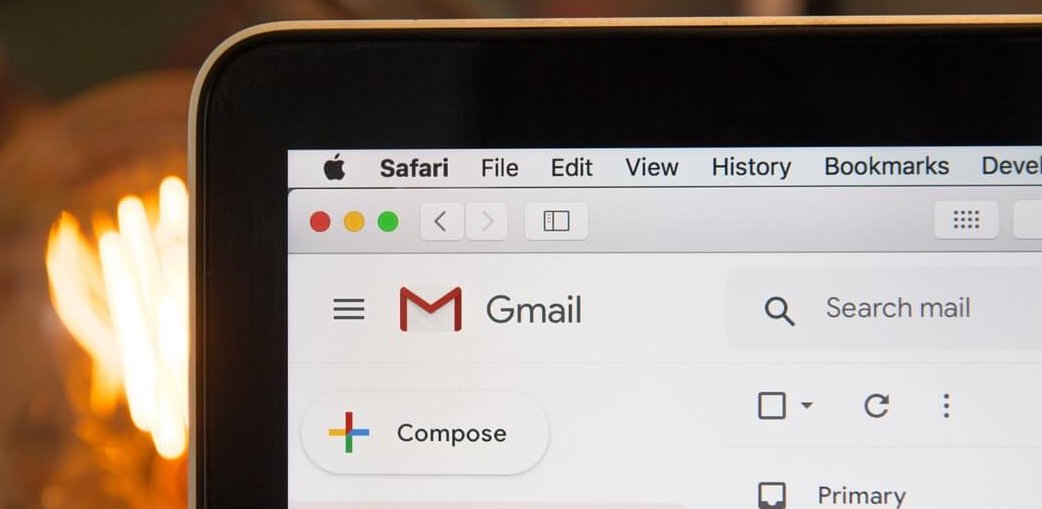
According to an Adobe study from 2017, French managers spend more than 5 hours a day managing their emails. A significant amount of time, which sometimes forces employees to check emails outside of working hours.
To respect the right to disconnect, Philippe Pinault, CEO of Talkspirit, recommends "scheduling emails to be received at normal hours, or including a note specifying that the recipient is not expected to reply immediately".
La Poste adopted a similar approach: during disconnection hours, an alert window appears on screen, prompting the employee to delay sending the email or to confirm if the matter is urgent. The following note is also added to email signatures: "If you receive this email outside of your working hours or during your holidays, you are not expected to reply immediately unless it is an exceptional emergency."
Other companies have introduced email-free days to allow employees to disconnect from digital tools. For example, the Japanese group Rakuten holds a half-day email-free session every month to encourage in-person communication among employees.
A more radical approach was deployed at the German group Daimler. Since 2014, the company automatically deletes emails received during employees' holidays. The sender is notified and redirected to another person who can handle their request. This way, employees are no longer tempted to check their emails during leave, and don't waste time sorting through them on their return.
Establishing disconnection periods
Several companies practice disconnection periods both during and outside of working hours.
At Orange, employees can disconnect from digital communication tools for two hours a day, so they're not disturbed in their work. Employees are also encouraged not to use chat during meetings, for better focus.
Intel has taken a similar approach, implementing quiet time every Tuesday morning — email and mobile phones are switched off. Employees can also place a "do not disturb" sign on their office door.
In some companies, disconnection windows are even mandatory. At Volkswagen, server access is blocked from 6:15 PM to 7:00 AM on weekdays and at weekends. An effective measure, though one that may not suit the flexibility employees often seek.
Centralising communication on a single platform
A growing number of companies are turning to enterprise social networks or collaborative platforms to centralise communication and reduce internal email traffic. One example is Agence Bergamote, which managed to cut its internal emails by 95% by adopting the Talkspirit platform. No more fragmented information flows: employees can now communicate in one single place through integrated instant messaging and video conferencing built into the tool.
Read also: Agence Bergamote case study
The platform also allows users to set availability windows and disconnection periods. "It's possible to turn off notifications in the evening and at weekends, or to change your status to let colleagues know you're not available for a period of time", explains Philippe Pinault, co-founder and CEO.
"The tool lets employees subscribe to different communication channels, so they only receive information relevant to them. There's also an option to schedule posts in advance, so they only appear during working hours."
At Food Emotion, the gastronomy arm of the Ariane group, "all official communications are published on Talkspirit only between 8 AM and 6 PM", explains Jérémy Dagot, Trade Marketing Manager. This allows employees to fully disconnect in the evenings and at weekends.
Read also: Comparison of the best enterprise social networks
Monitoring digital tool usage
Monitoring systems for connection times and hours can also be put in place to prevent hyperconnectivity.
For example, Michelin monitors remote connections by its employees in the evenings and at weekends to ensure they're not working overtime. If an employee connects at least five times a month outside of working hours, an email is sent to their manager, who must then schedule a meeting with the employee.
Be careful, however, not to overuse this type of monitoring tool, to avoid employees feeling permanently watched.
Creating relaxation spaces
Rest areas, cafeterias, gyms, games rooms… Relaxation spaces are increasingly popular in companies. Employees can disconnect from work without even leaving the building.
At Renault's Plessis-Robinson campus, a "calm space" accessible from 9 AM to 8 PM welcomes around 60 people per day. Employees can come for a nap, or simply take a break to clear their head.
At Adidas's French headquarters in Landersheim (near Strasbourg), a zen space equipped with massage chairs even allows employees to get a massage at work!
*
* *
Access the White Paper
This article is an extract from the White Paper "Right to Disconnect: A Remote Work Survival Guide". You'll discover: the key challenges around the right to disconnect, best practices for implementing it, and concrete examples of initiatives from real companies.
–
Author: Emmanuelle Abensur