.webp)
[Webinar] Why and How to Build a Feedback Culture at Work

.svg)
According to a study by the Observatoire du Management, 53% of French employees say they never receive feedback. For many people, the annual performance review is still the only moment in the year when they can give or receive feedback on their work.
And that’s far from enough! For both managers and employees, regular feedback is essential, as it helps identify areas for improvement and build a trusting relationship within the team.
We explored this topic during our February 25, 2021 webinar, co-hosted with Bleexo: “Why and How to Build a Feedback Culture in Your Organization?”
Two experts joined us to share their knowledge:
- Stéphane Waller, CEO of Bleexo, an HR application designed to ’improve employee engagement and team performance
- Philippe Pinault, Co-founder and CEO of Talkspirit, a collaborative platform that streamlines teamwork and feedback sharing
Here is a summary of the webinar’s key takeaways.
Why Is Feedback Essential in the Workplace?
Avoiding thinking traps
Pour Stéphane Waller (CEO of Bleexo), feedback in the workplace is indispensable because it helps us ’go beyond cognitive biases that shape our daily thinking, including:
- the anchoring bias, the tendency to rely on a first impression as a reference point
- the self-serving bias, taking credit for successes while blaming others for failures
- the commitment escalation bias, continuing down a path even when we realize it’s a dead end
Through feedback, we can overcome these cognitive biases, think more clearly, and make better-informed decisions. It’s a way to ’broaden our perspective and better understand those around us.
Developing self-knowledge and knowledge of others
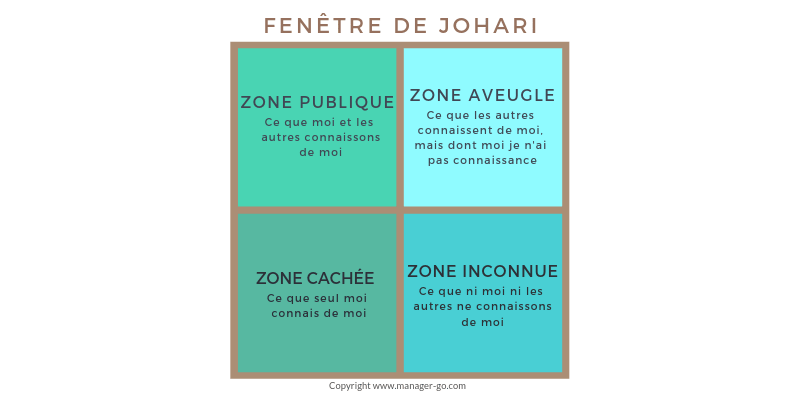
Feedback is also a powerful way to deepen our understanding of ourselves and others, and expand the public zone of the Johari window. “The larger this zone, the better teams perform”, explains Stéphane Waller.
The benefits of feedback
Philippe Pinault (CEO of Talkspirit) and Stéphane Waller both agree: feedback has many benefits for organizations.
Chief among them:
- developing individual and collective performance;
- fostering autonomy and accountability among employees;
- helping employees gauge their progress and growth;
- strengthening the trust between manager and direct report.
Read also: Managers, Instill a Feedback Culture in Your Team!
How to Develop a Feedback Culture?
So how do you spread the “feedback mindset” across your organization? For Philippe Pinault, following several key best practices is crucial:
- raise awareness and involve all employees;
- put the right tools in place, such as a collaborative platform and/or a 360° feedback solution;
- establish rituals and dedicated moments for feedback beyond the annual review;
- train and support managers in evolving their role — and encourage them to lead by example.
Read also: How to Encourage Feedback in Multi-Site Organizations?
How to Give Constructive Feedback?

As Kim Scott explains in her book Radical Candor, before giving feedback it is important to create a supportive environment within your team. To do this, managers should focus on developing authentic relationships with employees by genuinely getting to know them.
Beyond this, good feedback must be regular, specific, and fact-based. The goal should be to help employees grow and recognize their contributions. As a result, managers should not hesitate to challenge employees — sharing both positive and constructive observations — while avoiding personal criticism that might be taken too much to heart.
What Tools Support feedback ?
Two types of tools can help encourage feedback in your organization:
Collaborative tools
With a collaborative tool like Talkspirit, employees can give and receive feedback in real time (remotely or in person) through several features :
- the team messaging : to share a quick opinion or feedback
- video conferencing : to give more formal and detailed feedback, and suggest areas for improvement
- the polls : to involve employees in decision-making
- the emojis : to convey emotions, encourage, and celebrate achievements
Read also: ranking of the best collaborative tools.
Specialized HR tools
If you want to go further in your feedback practices, you’ll need to put a more specific tool in place. Bleexo, for example, offers three solutions to encourage feedback :
- 360° feedback : a tool that allows everyone in the organization to give and receive feedback from anyone
- Pulse : employee surveys that deliver real-time analytics
- Bravo : a feature that allows you to congratulate one or more employees
*
* *
As you’ve seen: the feedback is essential for developing team autonomy and performance, and fostering individual skill development. But for it to be useful, it must above all be regular and relevant — and practiced in a culture of trust and openness.
Want to learn more about building a feedback culture? Watch the webinar replay :