
Your organisation needs an operating system, not just another tool.
Organisations don’t need more software.
They need an Organisational Operating System that connects people, responsibilities, decisions and work. That’s how structure becomes a competitive advantage.
Your tools solve problems.
They don’t connect your organisation.
Applications excel at individual tasks. But without an operating system, they can’t work as one. Organisations are no different. Only an Organisational Operating System connects people, decisions and work into a single, coherent system.
Decisions without a memory
Decisions are made, but they remain scattered across meetings, emails, or conversations. A few months later, no one remembers who decided what, why, or what was actually agreed upon.
Implicit responsibilities
Teams evolve faster than the organisation. Roles blur, responsibilities overlap, and everyone works from a different understanding of who does what.
A strategy that no longer executes
Goals live in presentations. Projects move forward in other tools. In between, priorities shift, trade-offs are lost, and execution becomes misaligned.

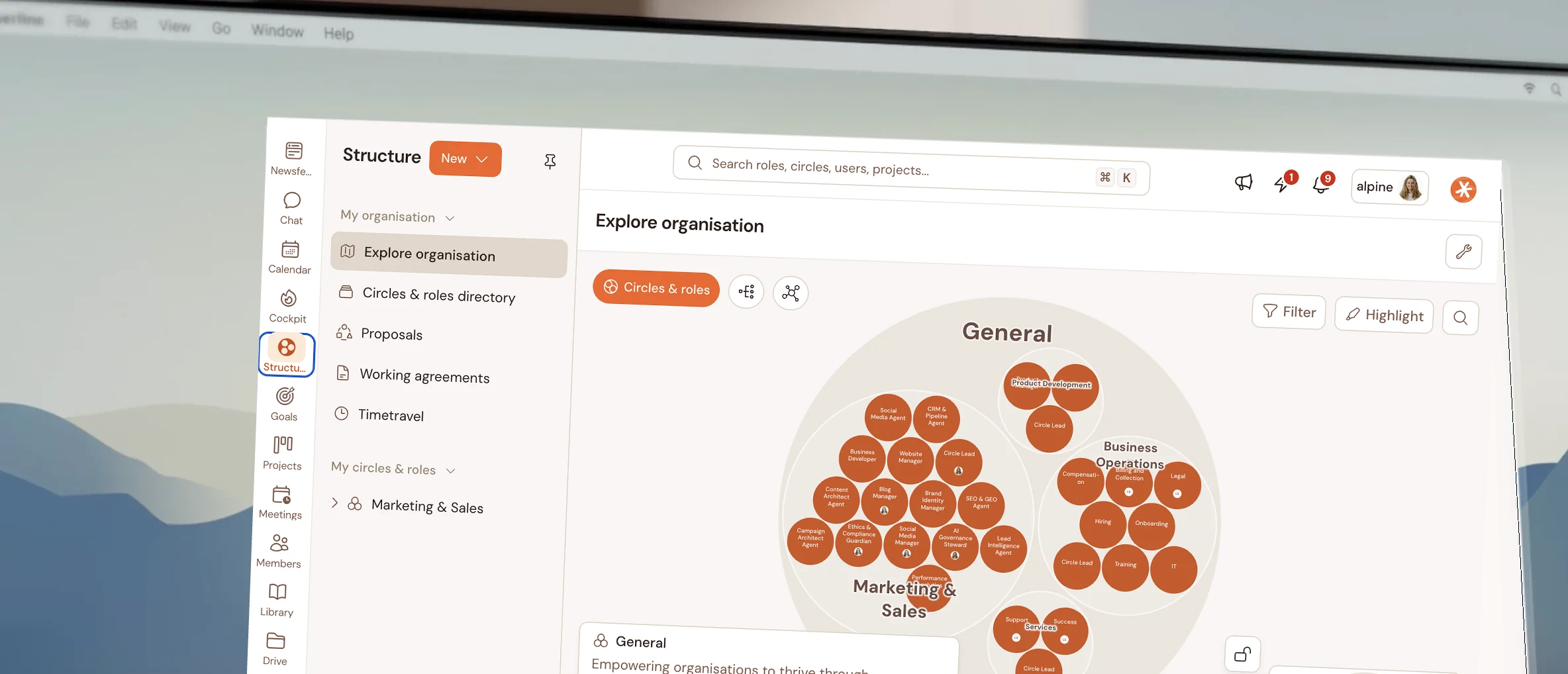
Structure is the core. Everything else connects to it.
The core of the system.
Roles, circles, and accountabilities define who decides, who acts, and who is responsible for what. This common structure provides a shared language for the entire organisation and connects tools to one another.
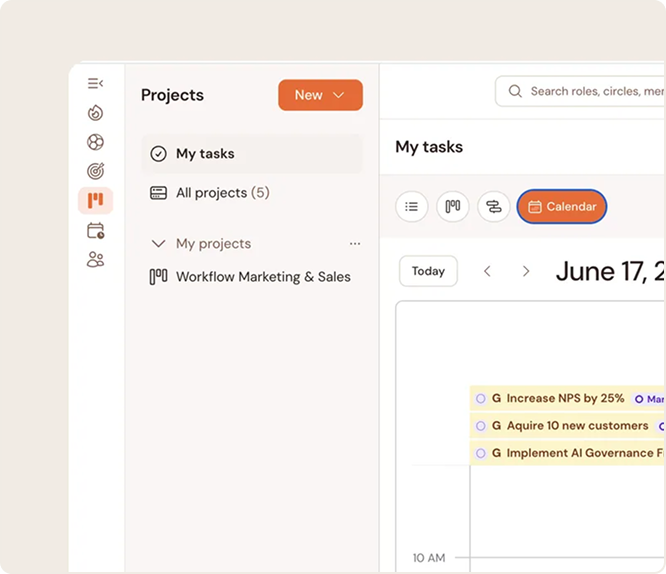
Execution.
Projects, documents, and processes rely on structure. Every task is linked to the right role, the right team, and the right goal. Strategy becomes execution, seamlessly.
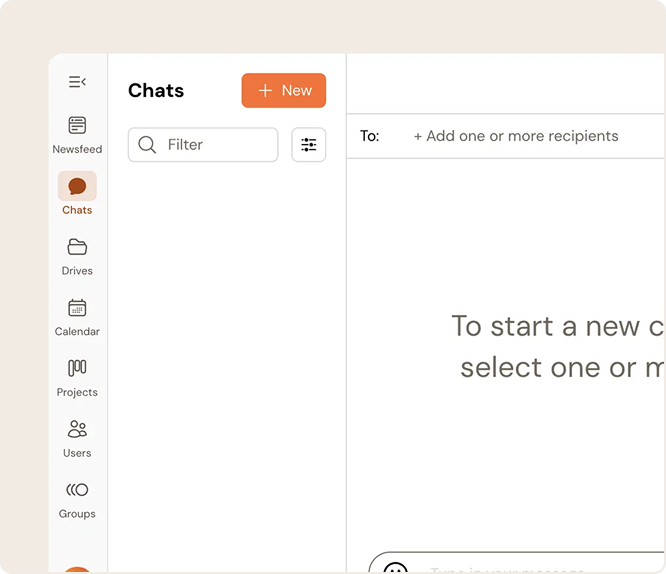
The flow of information.
The news feed, chat, and announcements are directly linked to the structure. Every piece of information reaches the right people, at the right time, in the right context.
Our AI knows your organisation.
Other AIs read your content Spark understands your organisation
An AI is only truly useful when it understands the system in which it operates. By leveraging your organisation's structure, Spark knows the roles, responsibilities, decisions, and projects. It doesn't just retrieve information: it understands the context in which it must act.

Spark understands your organisation
Spark doesn’t just analyse documents. It understands the organisational model behind them. Roles, teams, responsibilities, decisions and projects provide the context needed to deliver relevant, reliable answers.

Spark acts at the heart of the system
Because Spark is built into your Organisational Operating System, it works directly within your teams’ day-to-day environment. Search, summarise, write and automate, without losing context or switching between tools.

Spark respects your sovereignty
Intelligence is only valuable if it remains under your control. Spark operates in a European environment, with data hosted in France and Switzerland, in compliance with GDPR and your security requirements.
When the system is clear, results follow.
The people stay the same. The strategy stays the same. What changes is the system that brings them together.
These are the outcomes organisations most commonly achieve with Talkspirit.
Orders of magnitude observed in client organisations. Results vary based on size, maturity level, and deployment context.
-45%
Less time spent aligning
Decisions are documented, responsibilities are explicit, and meetings return to their true purpose: making decisions rather than searching for information.
Decisions are documented, responsibilities are explicit, and meetings return to their true purpose: making decisions rather than searching for information.
Much faster onboarding
New joiners quickly understand how the organisation works, who does what and where to find the information they need.
New joiners quickly understand how the organisation works, who does what and where to find the information they need.
Governance that is finally clear
Every role, responsibility, and scope is documented in a shared, living repository.
Every role, responsibility, and scope is documented in a shared, living repository.
+30%
Better strategic execution
Goals, projects, and responsibilities stay aligned over time. Decisions translate into action faster.
Goals, projects, and responsibilities stay aligned over time. Decisions translate into action faster.

What is clear moves forward
Your organisation deserves a real operating system
Over 900 organisations have chosen Talkspirit to turn their structure into a lasting advantage. In 30 minutes, discover how to connect your strategy, your teams, and your execution within a shared organisational system.
Transformations that inspire


Eleven generations, one reinvented organisation
"Talkspirit lets every employee fully reveal their talents. Skilled in several areas? They can take on different roles without being locked into a job description. This flexibility strengthens the agility that's essential in today's complex world." — Karl Teufl, Talkspirit Guru, Welser Profile

We showed the auditors what we were already doing every day in Talkspirit. Living governance wasn't a side project: it was built into the way we work.


Thanks to the organisational map built in Talkspirit, everyone knows who does what and what their responsibilities are. This transparency helps each person better understand the direction the company is taking, and lets us align our efforts to fulfil our purpose.

Talkspirit played a key role in clarifying roles, responsibilities and cross-team collaboration within our hierarchical organisation. [...] The tool has also transformed the way we run our meetings. In the past, our meetings were often unproductive. Today, they are better structured, roles are clearly defined and decision-making is far more efficient.

Having a strong intention to change wasn't enough. We needed a tool capable of supporting the practical workings of this new organisational approach.

Organisational clarity and agility allow everyone to fully apply their skills and reach their full potential. It gives people wings. And every organisation needs that.

Adopting Holacracy has helped us gain autonomy and clarity. Employees know what's expected of them, so they can make decisions without constantly seeking everyone's approval. [...] The result: our trust index now stands at 89 out of 100!

In the past, we would have managed with emails, but the documents would have ended up scattered all over the place. With Talkspirit, we share files directly in an organised, structured and centralised way. The latest updates are gathered in a single place, so we can discuss them in real time and act as quickly as possible.
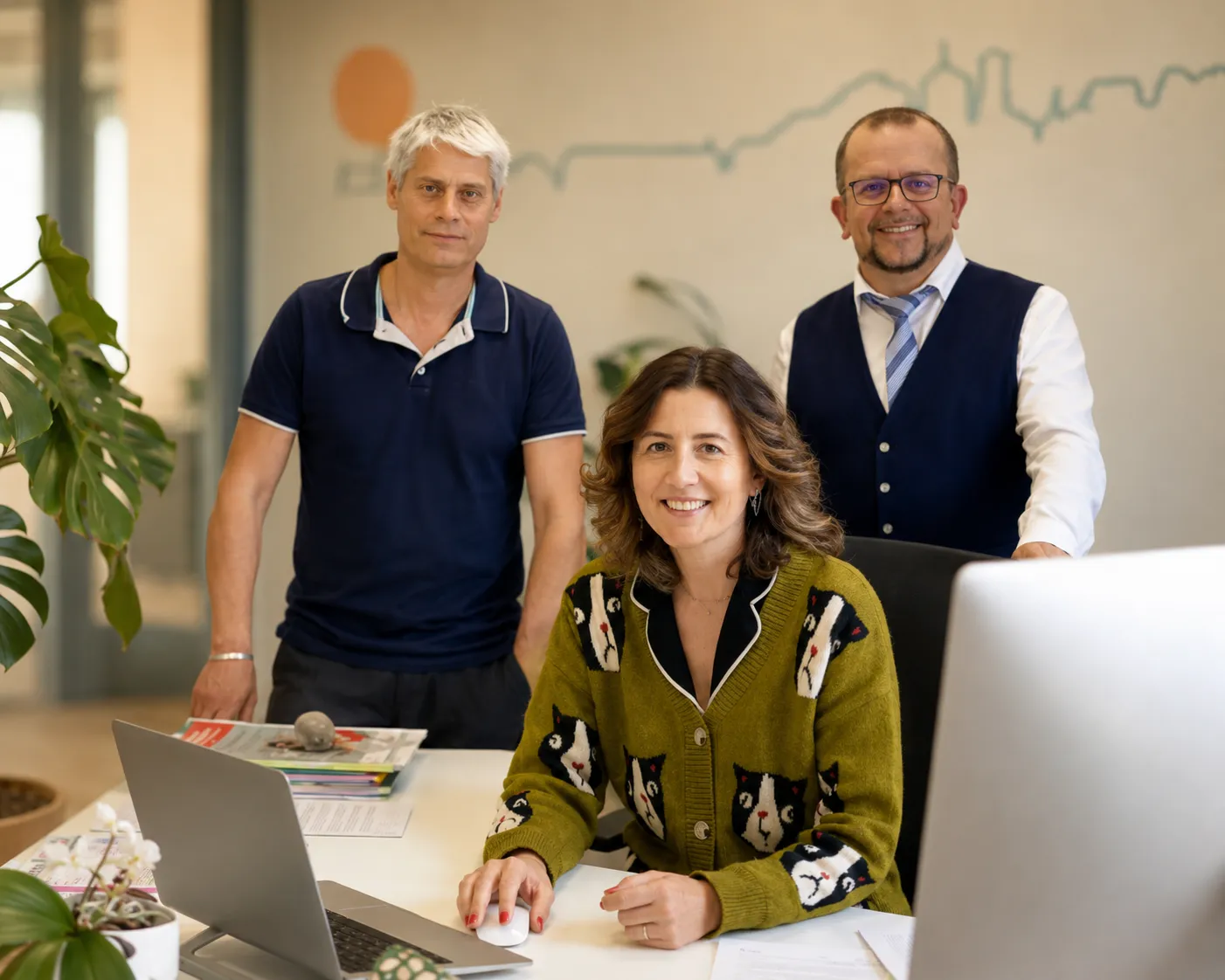
Talkspirit brings us closer to our teams, fuels collective intelligence and makes day-to-day information sharing far smoother.

Pooling our strengths makes each of us stronger. Within our network of SMEs, Talkspirit is an essential driver of transformation and agility.
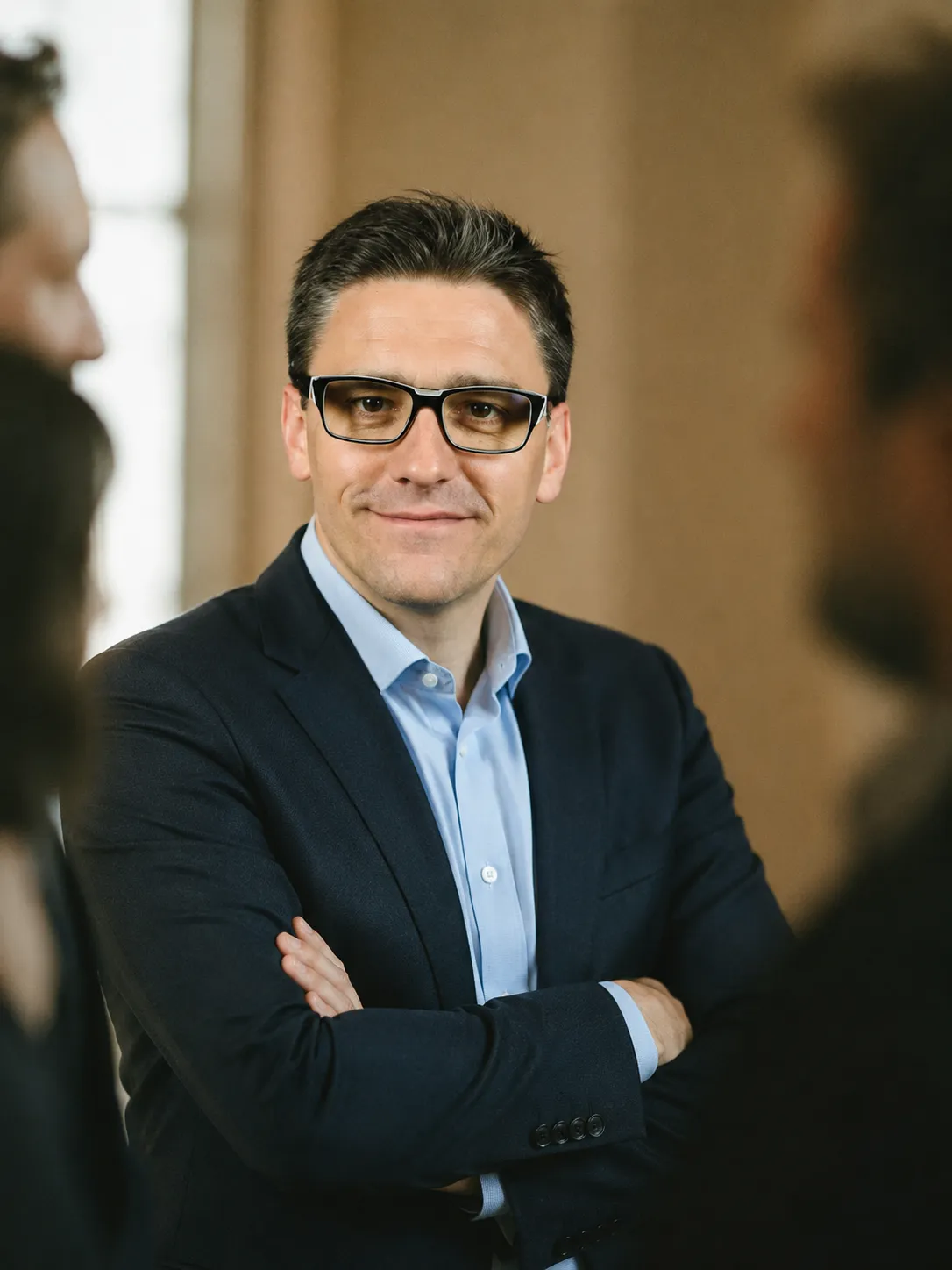
Talkspirit allows every employee to fully unlock their talents. If someone has skills in several areas, they can take on different roles without being boxed into a single job description. This flexibility in roles also strengthens our agility — an essential asset in today's VUCA world (Volatile, Uncertain, Complex, Ambiguous).
What people ask us most.
In our view, an Organisational Operating System connects your organisation’s structure, collaboration and communication in one platform. It links roles, responsibilities, decisions and work, so strategy becomes execution. Unlike traditional tools that solve individual problems, it provides the shared system your organisation runs on.
No. Start where it matters most. Some organisations begin with Structure, others with Collaboration or Communication. Every module is designed to work independently while becoming more powerful together, so you can expand at your own pace.
Spark, our AI, runs within a European environment, with data hosted in France and Switzerland and managed in line with GDPR. Unlike generic AI assistants, it works from your organisational structure, understanding roles, responsibilities and decisions while respecting your security and sovereignty requirements.
See how your organisation’s structure, collaboration and communication come together in one system. Starting from the way you already work, we’ll show you how Talkspirit connects roles, decisions and execution, with AI built on organisational context.