
8 Tips for Managing a Franchise Network

.svg)
- A franchise network brings together a franchisor, who owns the brand and the know-how, and franchisees who remain independent business owners: running the network cannot rely on line authority.
- There are more than 800,000 franchised outlets in the United States, and 2,035 networks and 93,395 franchised outlets in France according to the 2025 figures of the Fédération française de la franchise.
- Four foundations: get to know franchisees one by one, map out the roles in the network, give network facilitation to someone whose job it actually is, and pick a single tool for exchanges.
- Four engagement levers: rely on franchisee ambassadors, trigger peer-to-peer exchanges, highlight local initiatives, and support newcomers.
- Gîtes de France, PUR etc. and ANDES run their networks on Talkspirit; a summary table shows who owns each practice and how you know it is working.
McDonald’s, Planet Fitness, 7-Eleven, Best Western Hotels… all these brands have something in common: they’re franchises. In the United States today, there are more than 800,000 franchised stores in all sectors (restaurants, hotels, supermarkets, real estate, etc.). This system is particularly popular with independent retailers (franchisees), as it enables them to use the name of a third-party brand (the franchisor) and market its products and/or services in order to expand.
However, as the number of franchisees grows, the question arises: how do you facilitate, engage and unite the members of the franchise network? This work is essential, because it’s what’s going to develop the sense of belonging to the network and encourage knowledge sharing among members. But how do you even go about that? And what tools should you use?
If these questions are on your mind, not to fear! In this article, we’ll reveal the 8 best practices for managing a franchise network. 😉
Contents
- What exactly is a franchise network?
- 1. Get to know your franchisees
- 2. Map out your network
- 3. Recruit a facilitator
- 4. Choose the right network management tool
- 5. Identify ambassadors
- 6. Promote cross-functional communication
- 7. Highlight local initiatives
- 8. Train newcomers
- A final word
What exactly is a franchise network?
A franchise network brings together a franchisor, who owns a brand and a proven way of running a business, and franchisees, who run that concept in their own outlet. The franchise agreement sets out the exchange: the right to use the brand, the transfer of know-how and ongoing support, in return for fees.
What makes the model specific comes down to one thing: every franchisee remains an independent business owner. The franchisor has no line authority over them, and therefore cannot run the network by instruction. Three things hold it together instead: clear roles (who decides what, between head office and the field), information that travels both ways, and regular occasions for franchisees to talk to each other.
That is what running a franchise network is really about. It differs from commercial steering, which tracks sales and openings: running the network is what makes the collective exist. The eight practices below deal with that second job.
The scale is just as real in Europe: in France, the Fédération française de la franchise counts 2,035 networks and 93,395 franchised outlets employing close to 570,000 people, in its 2025 figures.
1. Get to know your franchisees
The first thing to do is to get to know your network’s members. This enables you to identify the needs and problems of your franchisees and adapt the way you run the network accordingly.
Here are some examples of the right questions to ask:
- What’s your role within the network?
- What problems do you encounter on a daily basis, and how can we help you solve them?
- Do you feel close to other franchisees? If not, how can we help you connect with them?
- How do you like to consume information?
- What subjects would you like to learn more about? Which formats do you prefer?
- Do you feel comfortable using intranet/enterprise social network-type tools?
2. Map out your network
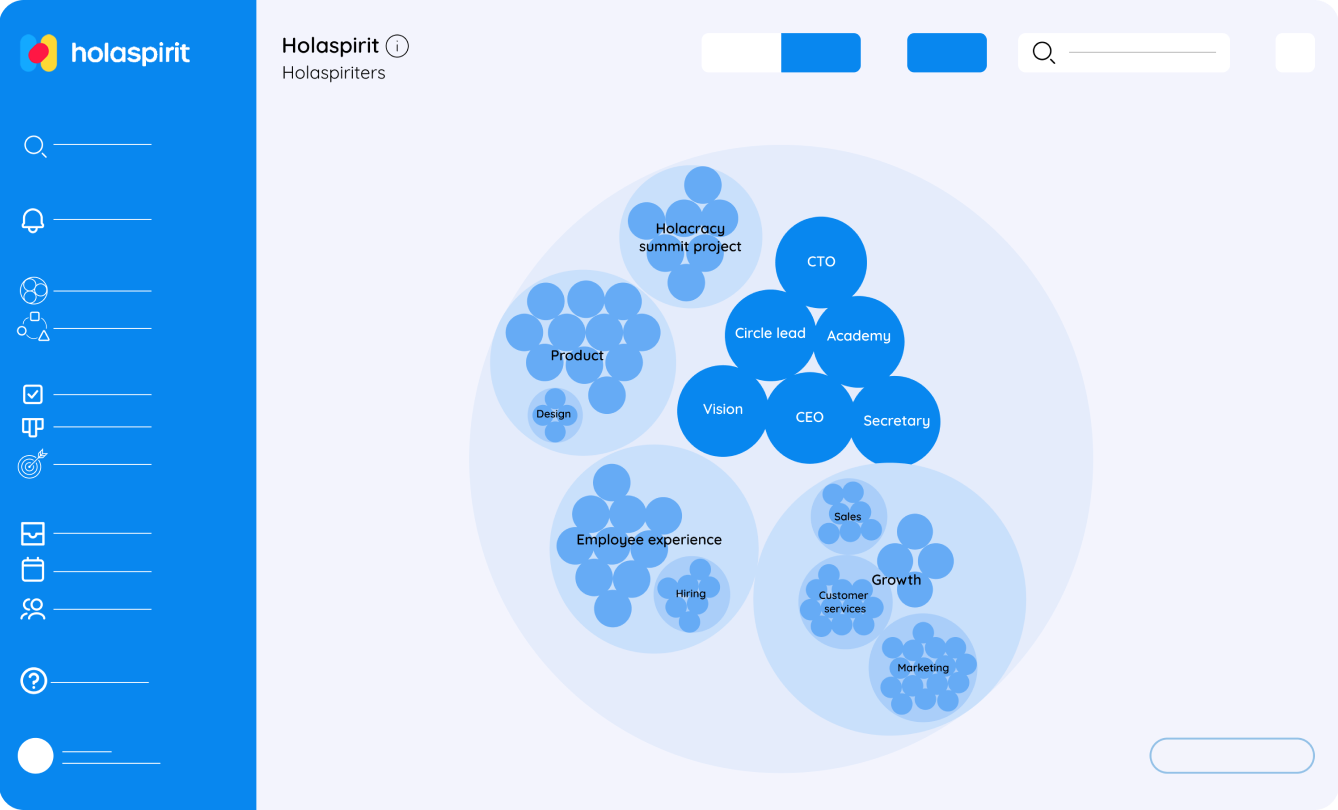
Now that you know your franchisees a little better, we suggest you map them out with a dedicated tool: the Governance and role clarity building block of Talkspirit, inherited from Holaspirit. This step isn’t necessarily essential for managing a franchise network, but believe us: it’ll be very useful for the rest of the process!
It enables you to document all your network’s roles and processes. Thanks to a role-based organizational chart, you can see at a glance all the different roles within each franchise, as well as the needs and issues raised by each.
This is a great way to capitalize on what you’ve learned during your interviews, and also to identify the people who can serve as your ambassadors (as well as those who might hold out to change).
The exercise is not specific to franchising. The French Association of Diabetics went through the same process to clarify responsibilities between its head office and its local branches.
3. Recruit a facilitator
To manage a franchise network, you need… you guessed it: a manager! Depending on the size of your network, you may need to recruit one or more facilitators who will:
- facilitate information sharing between franchisor, franchisees, and different network members
- report needs from the field to head office
- share franchisor know-how to franchisees
- energize and unite the franchise network
Facilitators must have good listening, analytical, organizational, and interpersonal skills. Ideally, they should be dedicated to their role, but they can also manage other subjects alongside depending on the network’s needs.
4. Choose the right network management tool
The next step for managing a franchise network is to set up a tool that the franchise manager can use to centralize all communications and connect franchisees together.
Before choosing your network facilitation tool, consider your needs. In particular, ask yourself:
- What will the tool be used for?
- What features do you need for this specific use case?
- Who will use the tool? (franchisor and all franchisees; brand managers only…)
- What constraints do you need to respect (in terms of budget, data security and sovereignty, etc.)?
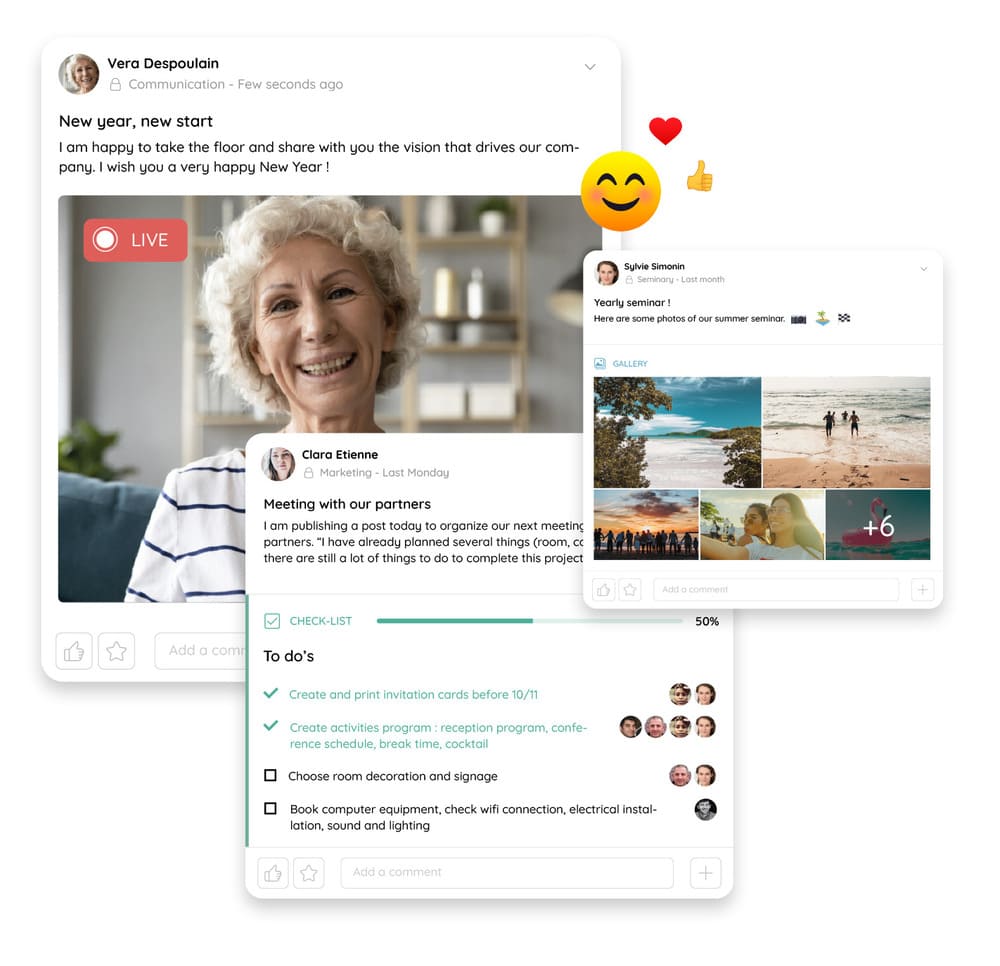
If you’re looking for an all-in-one network management tool, Talkspirit could be the right choice. Our platform integrates all the functionalities required to facilitate and coordinate a franchise network:
- a news feed and a home portal to highlight franchisor and franchisee news
- a directory that allows you to find any member of the network with a single click
- chat rooms to facilitate information sharing and collaboration between franchisees
- a content library to capitalize on the network’s knowledge and expertise
- a shared calendar for inviting franchisees to key network events
Franchise networks such as Gîtes de France or PUR etc. use Talkspirit to facilitate and coordinate their various franchisees. Why not you?
Once the tool is chosen, it still has to be rolled out without losing the network along the way: our article on implementing an enterprise social network walks through the steps.
5. Identify ambassadors
Managing a franchise network also means relying on communication relays working in the field. And the best people to take on this role are… franchise ambassadors!
These spokespeople are a great asset to the network, as they can help you:
- collect feedback in or as close to the field as possible
- communicate your values and internal communications authentically
- encourage other franchisees to join the network
Their role is not to run the network, but rather to facilitate the work of the facilitators by becoming their eyes and ears in the field.
PS: Check out this article to find out how to create your own ambassador network.
6. Promote cross-functional communication
When managing a franchise network, the aim is not just to pass on information, but above all to encourage cross-franchise communication (i.e. exchanges between members).
Here are a few examples of initiatives to develop franchisee involvement and participation:
- Create groups dedicated to sharing best practices and experiences on your network facilitation tool.
- Ask your facilitators to regularly share tips and relevant content in these groups, to encourage members to do the same.
- Organize themed Q&A sessions by videoconference and invite members to take the floor to answer questions.
- Set up regular meetings (quarterly, for example) to encourage networking and the creation of links between franchisees.
- Invite your members to brainstorming workshops to get them involved in strategic subjects (for example, the development of a new offer). Then highlight their contributions on your internal communications tool.
- Suggest fun activities, such as challenges, quizzes, or competitions with prizes.
These rituals are not specific to franchising either. To see them at work in another kind of network, read the testimonial of the Smart RH Club, which runs the user community of an HR information system.
At Gîtes de France, gamification is a key element in facilitating network members. “We organize an activity about every month, which we then highlight on the Talkspirit home portal. On this page, we also share tips and tricks, employee interviews, and competitions. For example, last December, we launched a Christmas quiz on our business culture. That went very well,” says Christine Cheret, in charge of internal communications.
7. Highlight local initiatives
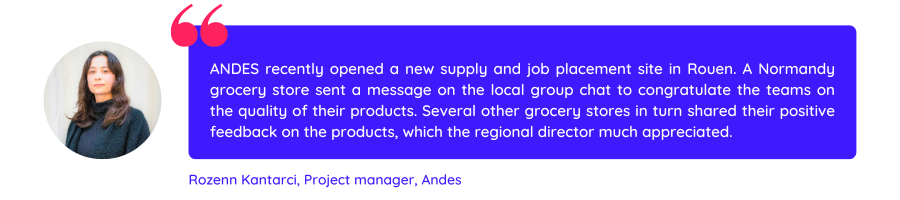
What better way to run a franchise network than to showcase your franchisees? That’s what the French National Association for the Creation of Socially Responsible Grocery Stores (ANDES) is all about.
In 2021, the association set up the Talkspirit platform to help its network of over 500 socially responsible grocery stores to help reduce food insecurity. Regional groups formed to share information and highlight the work of the local grocery stores in each area. This initiative has helped to promote awareness of network members and bring them greater recognition.
Think you’d like to apply this best practice to your franchise network? Just follow our 3-step method:
- Identify initiatives launched by your franchisees through your network of ambassadors.
- Contact franchisees to discuss their initiatives. Then, offer to promote them to the rest of your network in the format of their choice (like print, video, or carousel ads).
- Share these local initiatives regularly in your internal newsletter and/or on your network facilitation tool. Thank the franchisees who took part, and recommend other franchisees highlight their own successful projects.
8. Train newcomers
Onboarding new franchisees onto the network is a bit like integrating new employees into a company. It involves preparing a training program and resources tailored to the newcomer’s needs. However, it also means supporting the newcomer, so that he or she can settle in and integrate into the network.
To onboard and train your new franchisees, you can:
- assign them a mentor or sponsor who can guide them and answer their questions
- give them access to an online training program that brings together all the skills and knowledge they need
- explain how to use your network facilitation tool
- complement these training courses with coaching workshops led by other franchisees
- centralize your integration and training resources (Q&A, video tutorials, useful articles, member feedback, etc.) on a dedicated tool (such as the Talkspirit library)
All these initiatives will facilitate new members’ onboarding and reinforce their sense of belonging to the network. This should make your job of facilitating the network much easier.
| Practice | Who owns it | Sign that it is working |
|---|---|---|
| Practice1. Get to know your franchisees | Who owns itThe franchisor, before launching anything | Sign that it is workingYou can name the three field irritants without guessing |
| Practice2. Map out your network | Who owns itHead office, with each franchisee | Sign that it is workingA franchisee knows who to contact without going through head office |
| Practice3. Recruit a facilitator | Who owns itNetwork leadership | Sign that it is workingSomeone has network facilitation in their job description, not on top of it |
| Practice4. Choose the right tool | Who owns itThe facilitator, with IT | Sign that it is workingConversations leave email threads and private messaging groups |
| Practice5. Identify ambassadors | Who owns itThe facilitator, on suggestions from the field | Sign that it is workingField signals arrive before the problems, not after |
| Practice6. Promote cross-functional communication | Who owns itThe franchisees themselves | Sign that it is workingFranchisees answer each other without head office stepping in |
| Practice7. Highlight local initiatives | Who owns itThe facilitator, with the ambassadors | Sign that it is workingFranchisees start asking to be featured in turn |
| Practice8. Train newcomers | Who owns itHead office, with a franchisee mentor | Sign that it is workingA newcomer is autonomous on the tool within their first weeks |
A final word
To run a franchise network, start by identifying the needs of your franchisees. This will enable you to choose a suitable facilitation tool and target the number of facilitators and ambassadors you need to recruit. These ambassadors can then help you share communications with the whole network and develop cross-franchise exchanges.
Several of our customers have followed these best practices to manage their own internal network or community. Their feedback is unanimous: coaching has played a key role in this process. If you, too, would like to boost your franchise network, it’s time to make a move! Schedule a meeting with one of our experts today to receive customized support. 👇


Explore similar articles


Frequently asked questions.
There are more than 800,000 franchised stores in all sectors, including restaurants, hotels, supermarkets and real estate. The system is popular with independent retailers because it lets them use a third-party brand name and market its products or services in order to expand.
Getting to know your network's members, so you can identify the needs and problems of your franchisees and adapt your strategy accordingly. Useful questions cover their role, the problems they face daily, how close they feel to other franchisees and how they like to consume information.
It makes visible who does what. The Governance and role clarity building block of Talkspirit, inherited from Holaspirit, lets you document all the roles and processes in the network. Its role-based organizational chart shows at a glance the different roles within each franchise, as well as the needs and issues raised by each, and helps identify who can serve as an ambassador.
Facilitators share information between franchisor, franchisees and network members, report needs from the field to head office, pass on franchisor know-how, and energize and unite the network. They need good listening, analytical, organizational and interpersonal skills.
Franchise networks such as Gîtes de France or PUR etc. use Talkspirit to facilitate and coordinate their various franchisees. The platform brings together a news feed, a home portal, a directory, chat rooms, a content library and a shared calendar.
Christine Cheret, in charge of internal communications, says: "We organize an activity about every month, which we then highlight on the Talkspirit home portal." The same page carries tips and tricks, employee interviews and competitions, such as a Christmas quiz on business culture launched last December.