
10 Ways To Enhance Your Diversity Recruiting Strategy

.svg)
- Diversity recruiting widens the candidate pool on purpose and takes bias out of selection. It stays merit-based, and it is not about filling quotas.
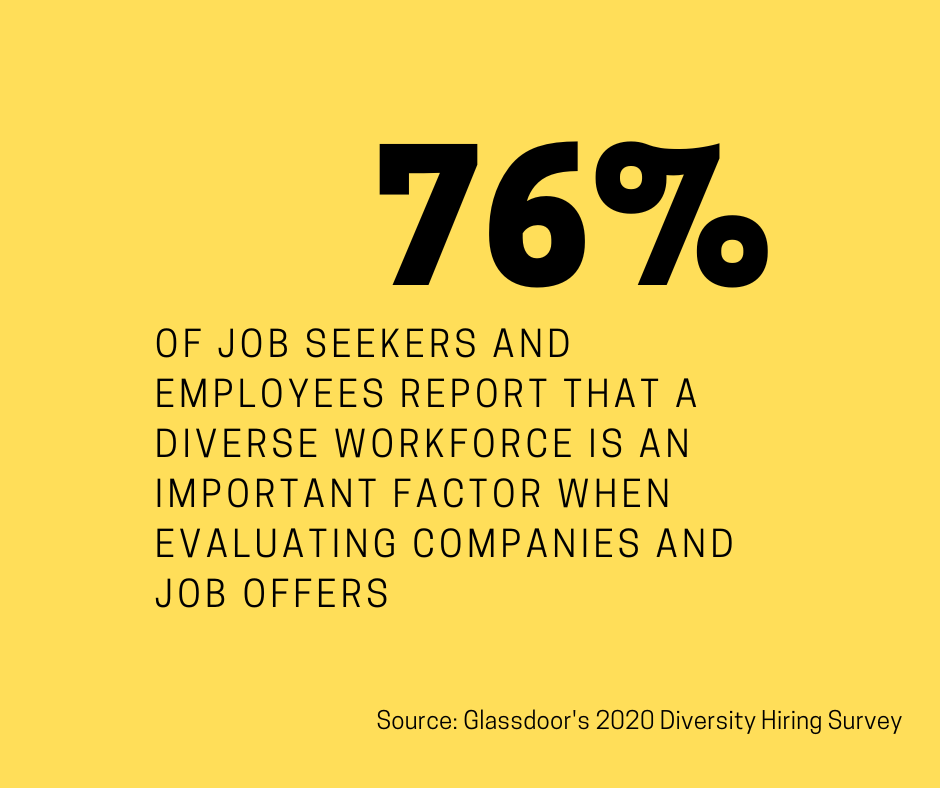
- The most ethnically diverse companies are 36% more profitable than the least diverse, and 76% of employees and job seekers weigh a diverse workforce when they judge a company and a job offer.
- A no-discrimination policy is not enough: people hire people like them without any conscious prejudice, as the Dutch Social and Economic Council also found.
- The ten levers spread across the process: attract (job descriptions, employer brand), source (channels, professional groups), select (anonymised screening, recruiter training), keep (flexibility, culture of inclusion, feedback) and steer (goals).
- Without goals and monitoring the effort fades. Set recruitment, representation and retention targets, for instance with the OKR method.
When you look around your workplace, do you find that everyone appears suspiciously similar? Perhaps they might all be a bit like you: same ethnicity, same gender, same background. It can happen all too easily.
The thing is, a lack of diversity could be holding your business back. The problem? All these people with the same backgrounds and experiences are more likely to know the same things and think the same way.
If you want your business to make better decisions, you must diversify your workforce. Different genders, religions, sexualities, and cultural backgrounds bring new perspectives and ideas to your business. This article will examine why diversity is crucial to your company and give you ten ways to improve your diversity recruiting strategy.
Contents
- What is diversity recruitment?
- Why is diversity important?
- Why is it Important to Have a Diversity Strategy?
- 10 ways to enhance your diversity recruiting strategy
What is diversity recruitment?
Diversity recruiting means widening the candidate pool on purpose and taking bias out of the selection process, so the job goes to the best qualified person whatever their background. Let us start with what it is not: it is not about ticking boxes, and not about hiring people from different backgrounds who are not the most qualified for the job.
Diversity recruitment is still merit-based: you won’t miss out on potentially great employees. Instead, it is a way to ensure your business can find those perfect employees you may be missing because you’re being too focused on hiring people who are very similar to you.

Why is diversity important?
Diversity is great for your business, and the statistics speak for themselves. Companies with 30% or more women on their boards outperformed male-dominated counterparts 73% of the time, and companies with the most ethnic diversity were 36% more profitable than the least diverse companies.
It’s easy to see why: a more diverse team will bring fresh perspectives and ideas and open up previously inaccessible markets.
But there’s more. Studies have shown that employees are happier and more productive when working in a more diverse, inclusive environment. And, as you probably know, happiness at work can substantially impact employee productivity and retention.
A focus on diversity will attract better candidates, too, as reflected by the fact that 76% of employees and job seekers report that a diverse workforce is an essential factor when evaluating companies and job offers.
Looking at all these benefits, creating a diversity recruiting strategy seems like a no-brainer. However, improving your company’s diversity can be challenging, and will require a conscious effort and some strategic planning.
Why is it Important to Have a Diversity Strategy?
Improving your workplace diversity can have significant positive impacts on your business, but why is it important to have a diversity recruiting strategy? Surely, all you need to improve diversity is to ensure you have a no-discrimination policy, and the problem will resolve itself.
However, as we have seen, it’s all too easy to find that people hire people like them, even without conscious prejudice. The Dutch Social and Economic Council says the same in its report on diversity in recruitment and selection, which traces the lack of diversity back to the conscious and unconscious biases of recruiters and employers. With a strategy in place, on the other hand, you can ensure that you remove these biases, however well-intentioned they are.
As we are about to reveal, a diversity strategy touches several aspects of your recruitment process. From picking the right domain name for your vacancies to crafting job descriptions that are as inclusive as possible, down to offering diversity training and monitoring your results, there’s a lot to consider.
10 ways to enhance your diversity recruiting strategy
1. Rework job descriptions
Writing a more inclusive job description is the first step to attracting a broader range of candidates. Use language that avoids gender-coded words like ‘aggressive’ or ‘challenging.’
Try to avoid phrases like ‘the ideal candidate must have’. Studies have shown that men will apply for a job when they only meet 60% of the qualifications listed. In contrast, women typically only apply for positions where they feel 100% qualified.
Stating that you are an inclusive employer can also ensure you attract a more diverse range of candidates while setting the tone right from the get-go.
2. Broaden recruitment channels
Suppose you only ever advertise positions in the same places. In that case, there’s a good chance the right candidate will never even know to apply. As part of a diversity recruiting strategy, try branching out when it comes to looking for new employees.
One way is to consider using regional websites to advertise jobs. For example, you could register .ae domain to be more appealing to Middle Eastern candidates, a .it one for Italian applicants, or a .ai one if you’re targeting tech-savvy talent.
Other recruitment channels to consider include social media, employee referrals, email campaigns, events such as trade fairs, and even your database of previous candidates.
Remember, it’s not a case of splashing job postings across every platform. Rather, consider the type of candidate you’re looking for and the role you’re hiring, and choose the best recruitment channels for the job.
3. Implement bias-free screening processes

As we have discussed, removing bias without a systematic effort is challenging. Consider the following options to ensure the right candidates attend the interview:
- Anonymize applications
- Use AI for the screening process
- Have structured interviews or use a point-based interview process
- Diversify your interview panel
Also read: Top HR Trends in 2025, According to Gartner
4. Offer diversity training for recruiters
Workshops and seminars can help ensure that everyone involved in the interview panel, especially remote job recruiters, is adequately trained to recognize and prevent unconscious bias in the recruitment process.
5. Offer flexible working conditions
Inflexible working can be one of the most significant barriers to people joining your business, especially for women, who often have additional responsibilities such as childcare.
By offering flexible working options, you open the company up to a wider pool of talent. Being flexible may mean offering remote or hybrid work, allowing employees to move their work hours outside of the conventional 9-5, and providing specialist equipment and tools for people with disabilities or special needs.
6. Showcase a diverse employer brand
Be proud of your diversity! Creating a brand that fosters diversity will attract a more diverse range of candidates. Highlight employee testimonials to advertise benefits, and take to social media to introduce your team members and celebrate their uniqueness.
7. Foster a culture of inclusion
Your diversity recruiting strategy shouldn’t stop once you’ve made a successful hire. Make sure you create an environment where all employees feel welcomed and valued, and are encouraged to build a collaborative culture at work.
A more inclusive culture will attract a greater diversity of people and reduce staff turnover. It will also ensure that people feel free to speak up. After all, psychological safety in the workplace is crucial.
Fostering an inclusive culture is about creating a safe environment, where everyone feels comfortable and confident in being who they are and expressing themselves. You want a diverse workforce for their ideas, so ensure everyone gets heard!
8. Collaborate with diverse professional groups
Going beyond just posting jobs in the right place, consider working directly with organizations such as Women in Tech or OUT for Work to see how they can help you diversify your company.
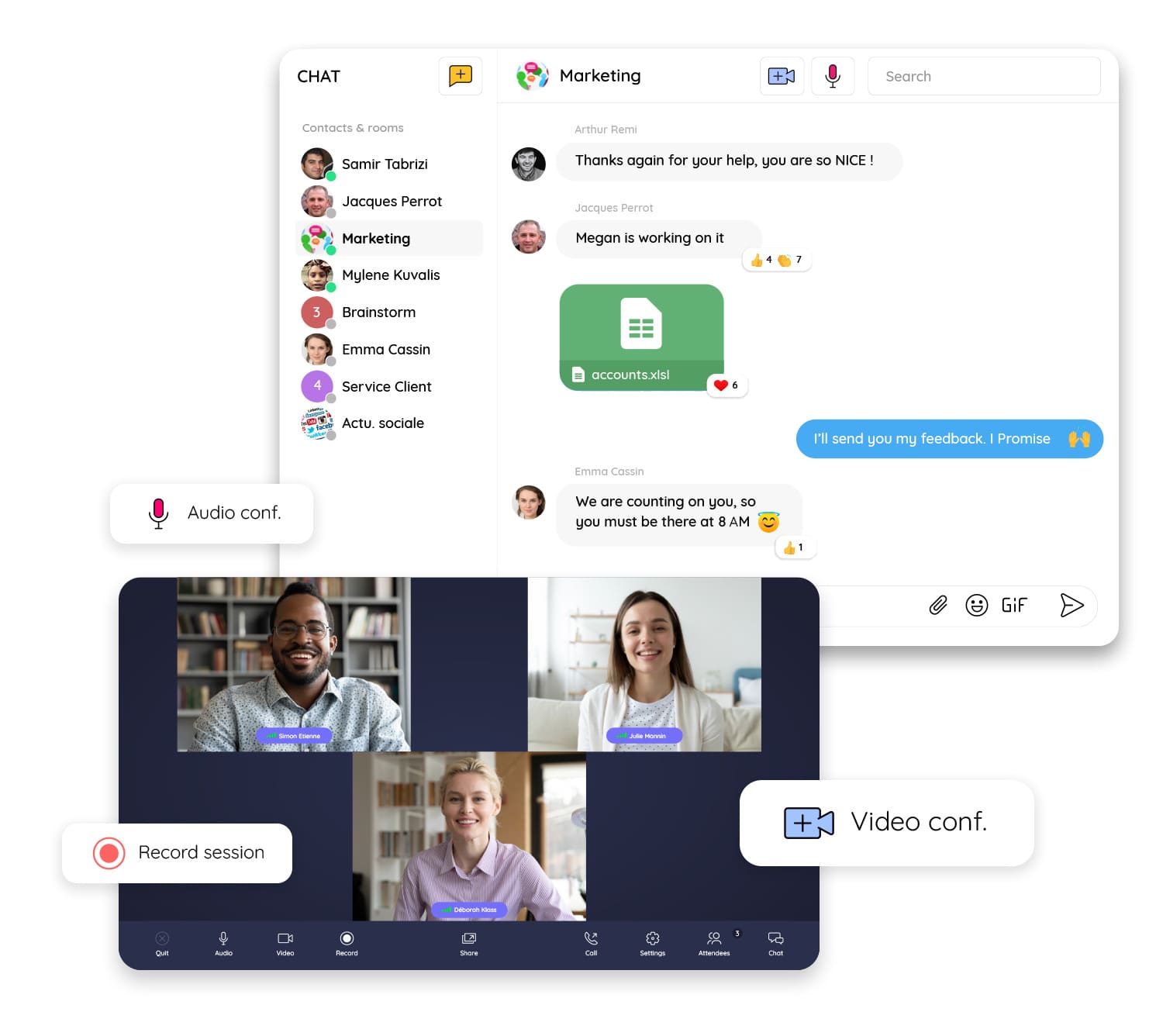
Collaboration tools like Talkspirit can also be beneficial. They not only boost collaboration between team members, they also enable businesses to collaborate with external stakeholders, so you can work more closely to optimize your diversity strategy and build a stronger culture.
9. Set diversity hiring goals
Diversity recruiting isn’t about filling quotas. However, setting goals and monitoring your progress is a great way to ensure you’re staying on track. Remember, your workforce will work best when it represents our society.
Your goals might be set around the general recruitment strategy, specific representation, or overall retention. Some examples of goals you might set to improve your diversity recruitment strategy include:
- Diversify the senior management team by hiring 2 new managers.
- Hire more female candidates for technical roles.
- Achieve a 45% increase in diverse hires over the next 3 years.
- Update existing recruitment and marketing material to use inclusive language and visuals.
- Gather data on existing employees’ perception of the company’s diversity and inclusion strategy.
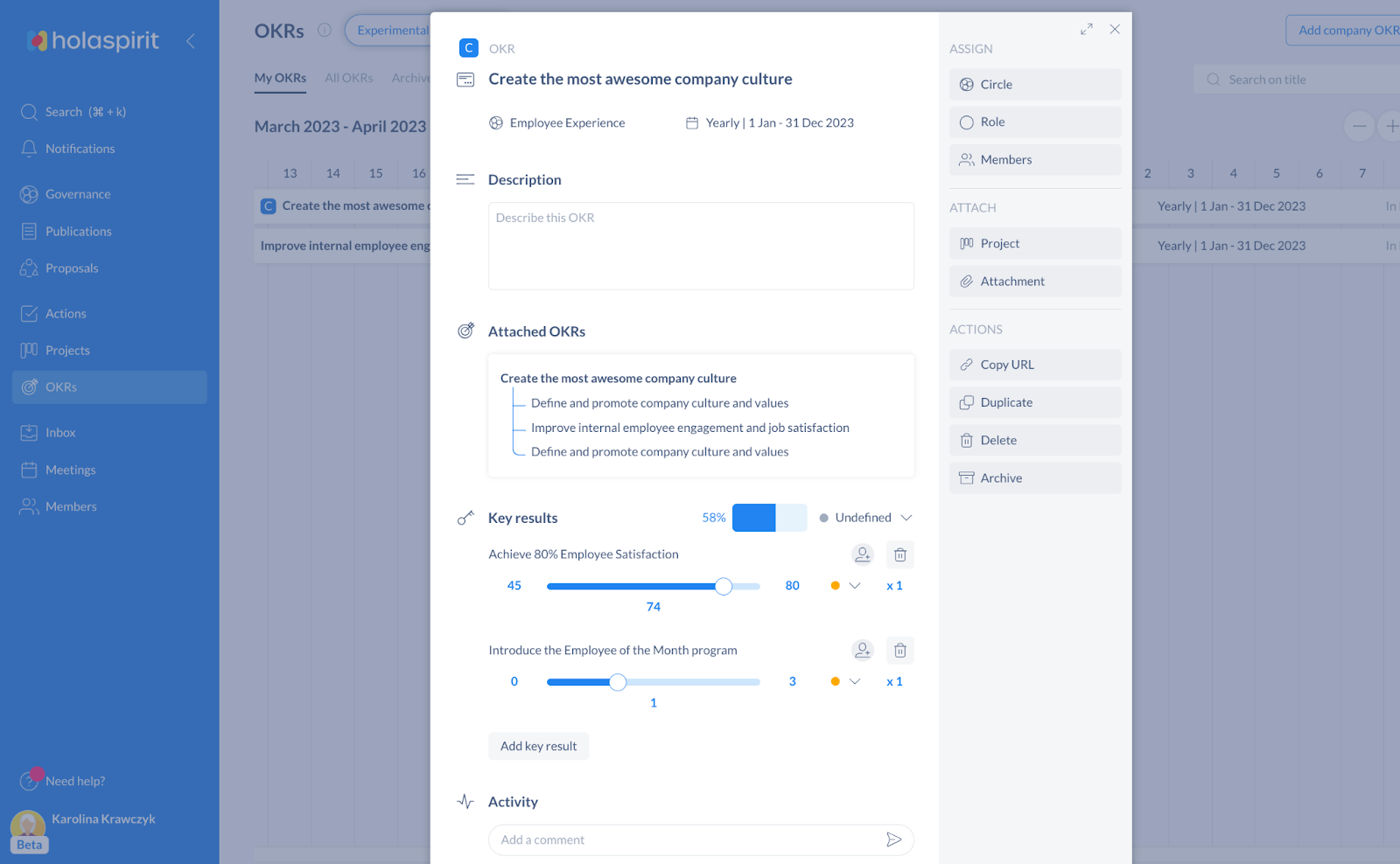
To establish your goals, it’s important to collaborate with team members and management. This can be done by using the Objectives and Key Results (OKR) method. OKRs not only help you define your objectives, but give you a clear path for achieving them. If that’s what you’re looking for, you might consider using a tool like Holaspirit to create your own OKRs.
10. Seek feedback from diverse employees
If you want to know how you’re doing, ask. Conduct exit interviews, collect candidate feedback after initial consultations, and ask how you’re doing during review sessions. It will make people feel more included and help you improve even more.
| Stage of the hiring process | Levers from the list | What the stage fixes |
|---|---|---|
| Stage of the hiring processAttract | Levers from the list1. Job descriptions, 6. Employer brand | What the stage fixesThe wording and the signals that rule candidates out before they even apply |
| Stage of the hiring processSource | Levers from the list2. Recruitment channels, 8. Professional groups | What the stage fixesA pool that is too narrow: a candidate who never sees the posting cannot apply |
| Stage of the hiring processSelect | Levers from the list3. Bias-free screening, 4. Recruiter training | What the stage fixesThe biases of shortlisting and interviewing, including the ones nobody intended |
| Stage of the hiring processOnboard and keep | Levers from the list5. Flexible conditions, 7. Culture of inclusion, 10. Feedback | What the stage fixesTurnover and silence: hiring for diversity is wasted if nobody stays or speaks up |
| Stage of the hiring processSteer | Levers from the list9. Diversity hiring goals | What the stage fixesThe absence of measurement, which lets the effort fade after a few months |
In Conclusion
A more diverse workforce will bring new ideas and perspectives to your business. Together, you will solve problems better, perform better, and be more productive and profitable.
Perhaps just as importantly, though, everyone deserves an equal chance. You can contribute to building a better world by simply running a diverse and inclusive business where you and your employees are happier.
Are you looking for HR best practices and tools to enhance your diversity recruiting strategy? Reach out to one of our experts to get personalized support:
Talk to an expert
FAQ
Diversity recruiting means widening the candidate pool on purpose and taking bias out of the selection process, so the job goes to the best qualified person whatever their background. It is not about ticking boxes: hiring stays merit-based, and the point is to reach the qualified candidates a company misses when it keeps hiring people like itself.
No. Quotas set a number of people to hire per profile, whereas a diversity recruiting strategy works on the process itself, from the wording of the job advert to the interview scoring grid. Setting goals and monitoring progress still matters, but as a steering instrument rather than an obligation to hire a given number of people.
Because bias does not need intent. People hire people like them even without conscious prejudice, a point the Dutch Social and Economic Council also makes in its report on diversity in recruitment and selection. A strategy removes those biases from the process step by step, where a policy only states an intention.
By taking out the language that filters people out. Avoid gender-coded words such as aggressive or challenging, and phrases like the ideal candidate must have: men apply for a job when they meet only 60% of the qualifications listed, while women typically apply only when they feel 100% qualified. Stating that you are an inclusive employer sets the tone from the first line.
Because a candidate who never sees the posting cannot apply. If you always advertise in the same places, the right person may never hear about the role. Regional job sites and country domains, social media, employee referrals, email campaigns, trade fairs and your own database of past applicants all widen the pool, provided you pick the channels that match the role.
Systematically rather than through good intentions. Anonymise applications, use AI for the screening process, run structured interviews or score candidates on a points grid, and diversify the interview panel. Workshops and seminars for everyone on that panel, remote recruiters included, help them recognise unconscious bias before it decides the shortlist.