
10 stratégies pour améliorer votre recrutement inclusif

.svg)
- Le recrutement inclusif élargit volontairement le vivier de candidats et retire les biais du processus de sélection : il reste fondé sur le mérite, et ne remplit pas de quotas.
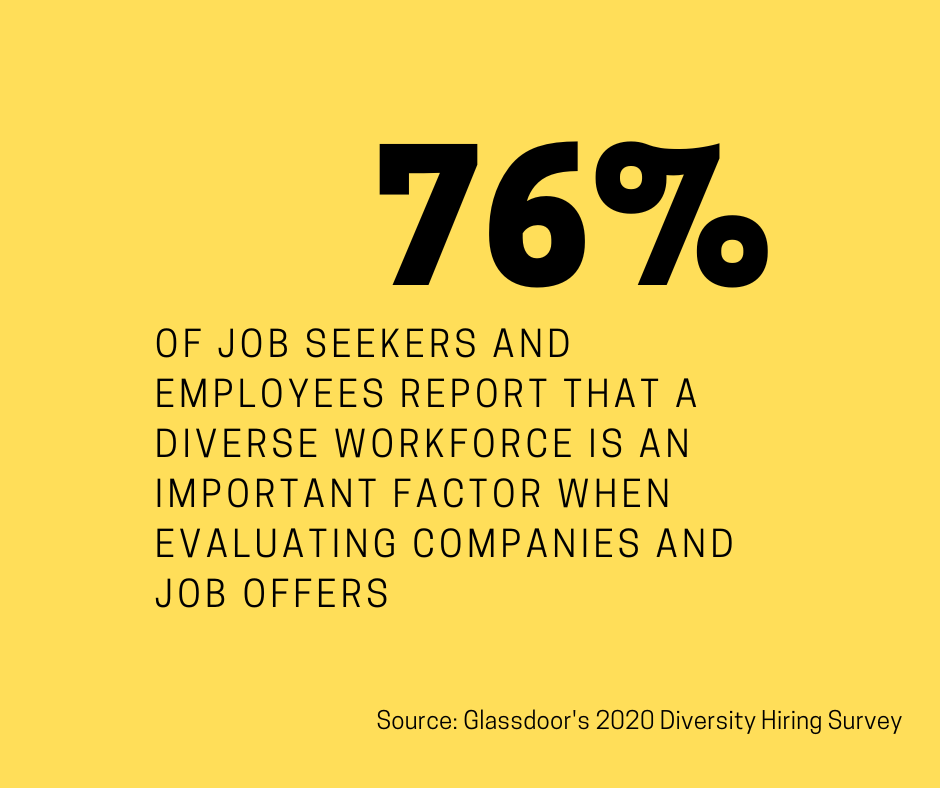
- Les entreprises les plus diverses sur le plan ethnique sont 36 % plus rentables que les moins diverses, et 76 % des salariés et des candidats tiennent compte de la diversité des équipes quand ils évaluent une entreprise et une offre d’emploi.
- Une politique de non-discrimination ne suffit pas, parce qu’on recrute des personnes qui nous ressemblent sans préjugé conscient.
- Les dix leviers se répartissent sur le processus : attirer (fiches de poste, marque employeur), sourcer (canaux, groupes professionnels), sélectionner (présélection anonyme, formation des recruteurs), garder (flexibilité, culture inclusive, feedback) et piloter (objectifs).
- Sans objectifs chiffrés ni suivi, l’effort retombe : fixez des cibles de recrutement, de représentation et de rétention, par exemple avec la méthode OKR.
Regardez autour de vous, au bureau. Tout le monde ne se ressemble-t-il pas un peu trop ? Même origine, même genre, même parcours, et peut-être un peu comme vous. Cela arrive vite.
Le problème, c’est qu’un manque de diversité peut freiner votre entreprise. Des personnes qui ont les mêmes parcours et les mêmes expériences ont toutes les chances de savoir les mêmes choses et de raisonner de la même façon.
Pour que votre entreprise prenne de meilleures décisions, il faut diversifier ses profils. Genres, religions, orientations, origines culturelles : chacun apporte un regard et des idées qui manquaient à la table. Cet article explique pourquoi la diversité compte pour votre entreprise et détaille dix façons d’améliorer votre stratégie de recrutement inclusif.
Sommaire
- Qu’est-ce que le recrutement inclusif ?
- Pourquoi la diversité est-elle importante ?
- Pourquoi faut-il une stratégie de diversité ?
- 10 façons d’améliorer votre stratégie de recrutement inclusif
Qu’est-ce que le recrutement inclusif ?
Le recrutement inclusif consiste à élargir volontairement le vivier de candidats et à retirer les biais du processus de sélection, pour que le poste revienne à la personne la plus qualifiée, quel que soit son profil. Précisons tout de suite ce qu’il n’est pas : il ne s’agit pas de cocher des cases, ni de recruter des profils variés au détriment des compétences.
Le recrutement inclusif reste fondé sur le mérite : vous ne passez à côté d’aucun bon candidat. C’est au contraire un moyen de trouver ceux que vous manquez aujourd’hui, parce que votre processus favorise, sans le vouloir, les profils qui vous ressemblent.

Pourquoi la diversité est-elle importante ?
Les chiffres parlent d’eux-mêmes. Les entreprises comptant 30 % de femmes ou plus à leur conseil d’administration ont devancé leurs homologues à dominante masculine dans 73 % des cas, et les entreprises les plus diverses sur le plan ethnique étaient 36 % plus rentables que les moins diverses.
La raison est simple : une équipe plus diverse apporte des points de vue neufs et ouvre des marchés jusque-là hors de portée.
Ce n’est pas tout. Des études montrent que les collaborateurs sont plus heureux et plus productifs dans un environnement divers et inclusif. Or le bonheur au travail pèse lourd sur la productivité et la fidélisation des équipes.
Miser sur la diversité attire aussi de meilleurs candidats : 76 % des salariés et des candidats déclarent que la diversité des équipes compte dans leur évaluation d’une entreprise et d’une offre d’emploi.
À lire tous ces bénéfices, se doter d’une stratégie de recrutement inclusif paraît évident. Y arriver l’est moins : cela demande un effort conscient et un peu de méthode.
Pourquoi faut-il une stratégie de diversité ?
Améliorer la diversité de vos équipes a des effets nets sur l’entreprise. Mais pourquoi faut-il une stratégie de recrutement inclusif ? Une politique de non-discrimination ne devrait-elle pas suffire à régler le problème d’elle-même ?
Non, car on recrute très facilement des personnes qui nous ressemblent, sans le moindre préjugé conscient. Une stratégie, elle, retire ces biais du processus, aussi bien intentionnés soient-ils.
Une stratégie de diversité touche plusieurs étapes du recrutement. Du choix du nom de domaine sur lequel vous publiez vos offres à la rédaction des fiches de poste, jusqu’à la formation des recruteurs et au suivi des résultats, il y a de quoi faire.
10 façons d’améliorer votre stratégie de recrutement inclusif
1. Repenser les fiches de poste
Rédiger une fiche de poste plus inclusive est le premier levier pour élargir le vivier de candidats. Évitez les mots connotés en genre, comme « agressif » ou « combatif ».
Évitez aussi les formules du type « le candidat idéal doit avoir ». Des études montrent que les hommes postulent dès qu’ils remplissent 60 % des critères listés, là où les femmes attendent le plus souvent de les remplir à 100 %.
Mentionner explicitement que vous êtes un employeur inclusif permet d’attirer un panel de candidats plus diversifié et donne le ton dès le début.
2. Élargir les canaux de recrutement
Si vous publiez toujours vos offres aux mêmes endroits, il y a de fortes chances que le bon candidat n’en entende jamais parler. Une stratégie de recrutement inclusif commence par sortir de ces canaux habituels.
Une piste : utiliser des sites régionaux pour diffuser vos annonces. Vous pouvez par exemple réserver un domaine en .ae pour parler aux candidats du Moyen-Orient, un .it pour l’Italie, ou un .ai si vous visez des profils tech.
Les autres canaux à considérer : les réseaux sociaux, la cooptation, les campagnes e-mail, les événements comme les salons professionnels, et jusqu’à votre base de candidatures passées.
Il ne s’agit pas d’arroser toutes les plateformes. Regardez plutôt le type de profil que vous cherchez et le poste à pourvoir, puis choisissez les canaux qui y correspondent.
3. Mettre en place des processus de présélection sans biais

Comme on l’a vu, retirer les biais sans effort systématique est illusoire. Quelques options pour que les bons candidats arrivent jusqu’à l’entretien :
- Anonymiser les candidatures
- Utiliser l’IA pour le processus de présélection
- Mener des entretiens structurés ou noter les candidats sur une grille de points
- Diversifier le jury d’entretien
À lire aussi : Les tendances RH de 2025, d’après Gartner
4. Former les recruteurs à la diversité
Des ateliers et des séminaires permettent de s’assurer que toutes les personnes impliquées dans les entretiens, notamment les recruteurs à distance, sont formées pour reconnaître et prévenir les biais inconscients dans le processus de recrutement.
5. Proposer des conditions de travail flexibles
Un cadre de travail rigide est l’un des plus gros obstacles à l’entrée dans une entreprise, en particulier pour les femmes, qui assument souvent des responsabilités familiales en parallèle.
En proposant des modalités de travail flexibles, vous ouvrez votre entreprise à un vivier de talents plus large. Cela peut se traduire par du télétravail, un mode hybride, des horaires décalés en dehors du 9h-17h traditionnel, ou encore la mise à disposition d’équipements adaptés pour les personnes en situation de handicap.
6. Valoriser une marque employeur diverse
Assumez votre diversité. Une marque employeur qui la met en avant attire des candidatures plus variées. Publiez des témoignages de collaborateurs et servez-vous des réseaux sociaux pour présenter vos équipes telles qu’elles sont.
7. Cultiver une culture de l’inclusion
Votre stratégie de recrutement inclusif ne s’arrête pas au jour de l’embauche. Créez un environnement où chacun se sent accueilli et reconnu, et encouragé à construire une culture collaborative au travail.
Une culture plus inclusive attire une plus grande diversité de profils et réduit le turnover. Elle donne aussi à chacun la liberté de parler. La sécurité psychologique au travail n’est pas un détail.
Cultiver une culture inclusive, c’est créer un environnement sûr où chacun se sent à l’aise et confiant pour être soi-même et s’exprimer librement. Si vous misez sur la diversité pour la richesse des idées, assurez-vous que chaque voix soit entendue !
8. Collaborer avec des groupes professionnels spécialisés
Au-delà de la publication d’annonces au bon endroit, travaillez directement avec des organisations comme Women in Tech ou OUT for Work, qui savent comment aider une entreprise à diversifier ses recrutements.
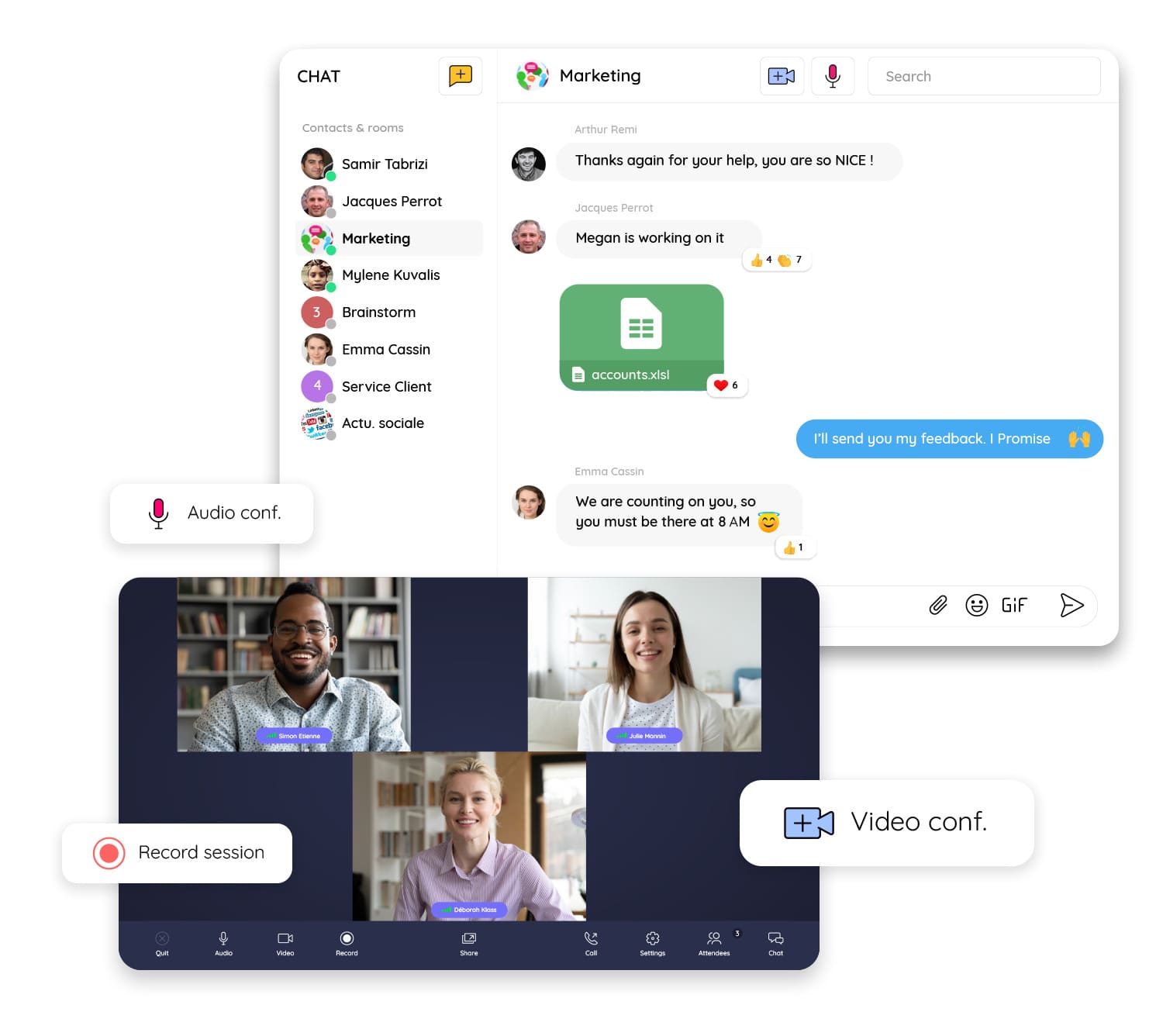
Des outils collaboratifs comme Talkspirit peuvent également s’avérer précieux. Ils ne renforcent pas seulement la collaboration interne, ils permettent aussi de travailler avec des parties prenantes externes, au plus près de votre stratégie de diversité et de la culture que vous construisez.
9. Fixer des objectifs de recrutement inclusif
Le recrutement inclusif ne consiste pas à remplir des quotas. En revanche, se fixer des objectifs et suivre ses progrès permet de rester sur la trajectoire. Une équipe travaille d’autant mieux qu’elle ressemble à la société qui l’entoure.
Vos objectifs peuvent porter sur la stratégie de recrutement globale, la représentation de certains profils, ou encore la rétention des talents. Voici quelques exemples d’objectifs pour améliorer votre stratégie de recrutement inclusif :
- Diversifier l’équipe de direction en recrutant 2 nouveaux managers.
- Recruter davantage de femmes pour des postes techniques.
- Atteindre une augmentation de 45 % des recrutements diversifiés sur les 3 prochaines années.
- Mettre à jour les supports de recrutement et de communication pour utiliser un langage et des visuels inclusifs.
- Recueillir la perception des collaborateurs actuels sur la stratégie de diversité et d’inclusion.
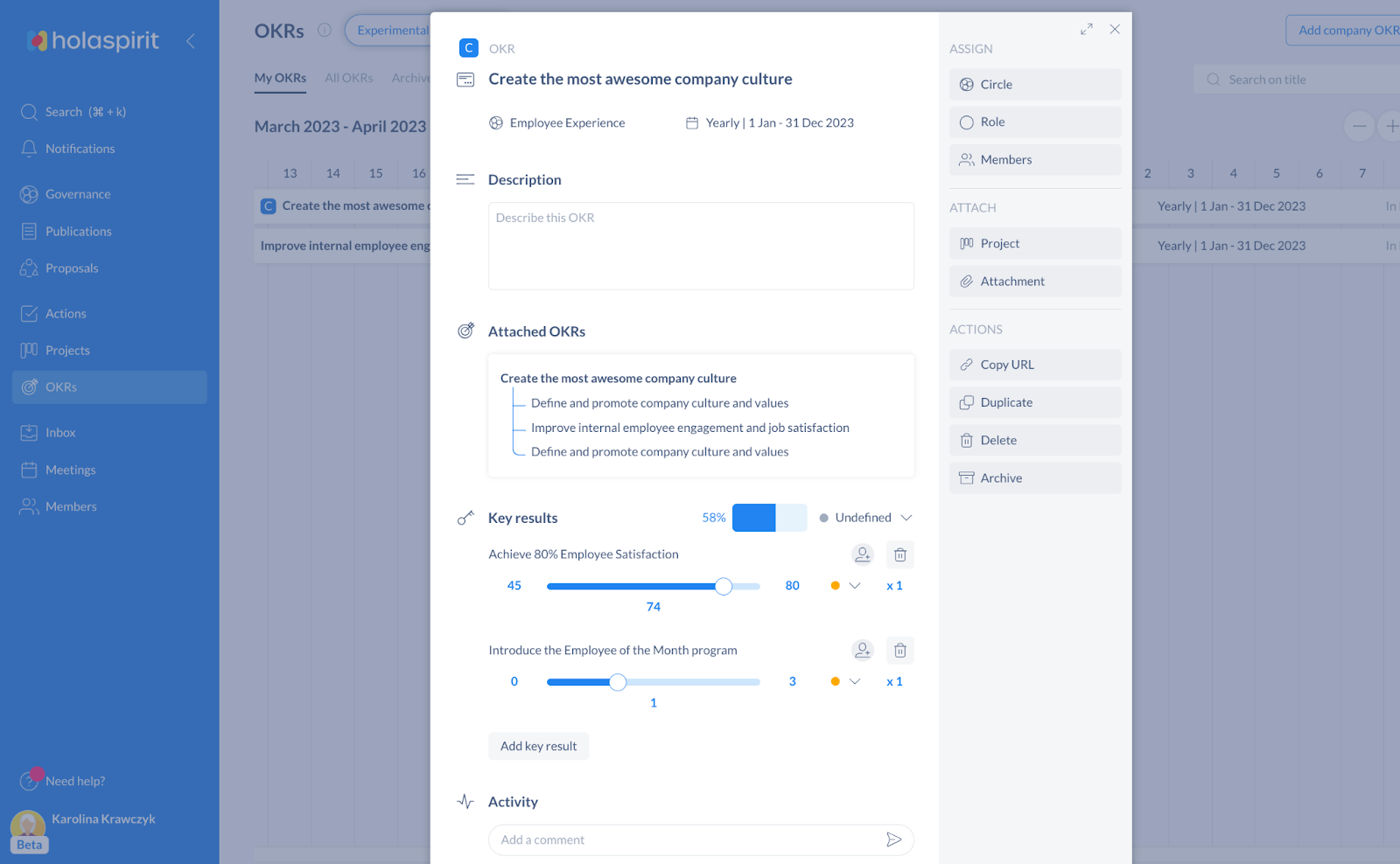
Pour poser ces objectifs, associez les équipes et le management. La méthode Objectives and Key Results (OKR) s’y prête bien : elle sert à définir les objectifs, mais aussi à tracer le chemin pour les atteindre. Un outil comme Holaspirit permet de les construire.
10. Solliciter les retours de vos collaborateurs
Pour savoir où vous en êtes, demandez. Menez des entretiens de départ, recueillez le feedback des candidats après les premiers échanges, et posez la question lors des points d’étape. Les personnes s’en sentent davantage incluses, et vous progressez.
| Étape du recrutement | Leviers de la liste | Ce que l’étape corrige |
|---|---|---|
| Étape du recrutementAttirer | Leviers de la liste1. Fiches de poste, 6. Marque employeur | Ce que l’étape corrigeLe vocabulaire et les signaux qui écartent des candidats avant même la candidature |
| Étape du recrutementSourcer | Leviers de la liste2. Canaux de recrutement, 8. Groupes professionnels | Ce que l’étape corrigeLe vivier trop étroit : un candidat qui ne voit jamais l’offre ne postule pas |
| Étape du recrutementSélectionner | Leviers de la liste3. Présélection sans biais, 4. Formation des recruteurs | Ce que l’étape corrigeLes biais du tri et de l’entretien, y compris ceux que personne n’a voulus |
| Étape du recrutementIntégrer et garder | Leviers de la liste5. Conditions flexibles, 7. Culture inclusive, 10. Feedback | Ce que l’étape corrigeLe turnover et le silence : recruter divers ne sert à rien si personne ne reste ni ne parle |
| Étape du recrutementPiloter | Leviers de la liste9. Objectifs de recrutement inclusif | Ce que l’étape corrigeL’absence de mesure, qui laisse l’effort retomber au bout de quelques mois |
En conclusion
Une équipe plus diverse apporte des idées et des points de vue neufs. Ensemble, vous résolvez mieux les problèmes, vous performez mieux, vous êtes plus productifs et plus rentables.
Et, tout aussi important, chacun mérite sa chance. Faire tourner une entreprise diverse et inclusive, c’est déjà contribuer à un monde un peu plus juste, avec des collaborateurs plus heureux.
Vous recherchez des bonnes pratiques RH et des outils pour améliorer votre stratégie de recrutement inclusif ? Contactez l’un de nos experts pour un accompagnement personnalisé :
Échanger avec un expert
FAQ
Le recrutement inclusif consiste à élargir volontairement le vivier de candidats et à retirer les biais du processus de sélection, pour que le poste revienne à la personne la plus qualifiée quel que soit son profil. Il ne s’agit pas de cocher des cases : le recrutement reste fondé sur le mérite, et sert à trouver les bons candidats qu’un processus trop uniforme laisse passer.
Non. Les quotas fixent un nombre de personnes à recruter par profil, là où une stratégie de recrutement inclusif agit sur le processus lui-même, de la rédaction de l’offre à la grille d’entretien. Se fixer des objectifs et suivre ses progrès reste utile, mais c’est un instrument de pilotage, pas une obligation de résultat par profil.
Parce que le biais n’a pas besoin d’intention. On recrute très facilement des personnes qui nous ressemblent, sans le moindre préjugé conscient, et une politique affichée n’y change rien. Une stratégie retire ces biais du processus, étape par étape, au lieu de compter sur la bonne volonté de chacun.
En retirant du texte ce qui écarte des candidats. Évitez les mots connotés en genre comme « agressif » ou « combatif », et les formules du type « le candidat idéal doit avoir » : les hommes postulent dès qu’ils remplissent 60 % des critères listés, quand les femmes attendent le plus souvent de les remplir à 100 %. Dire explicitement que vous êtes un employeur inclusif donne le ton dès la première ligne.
De façon systématique plutôt qu’au cas par cas. Quatre pratiques y contribuent, anonymiser les candidatures, s’appuyer sur l’IA pour le tri, mener des entretiens structurés ou noter les candidats sur une grille de points, et diversifier le jury d’entretien. Former les recruteurs, y compris ceux qui recrutent à distance, à reconnaître les biais inconscients complète le dispositif.
En fixant des objectifs sur trois axes, le recrutement, la représentation et la rétention, puis en les suivant dans le temps. Des exemples concrets : recruter deux nouveaux managers pour diversifier l’équipe de direction, augmenter de 45 % les recrutements diversifiés sur trois ans, ou recueillir la perception des collaborateurs actuels. La méthode OKR aide à poser ces objectifs avec les équipes et à tracer le chemin pour les atteindre.